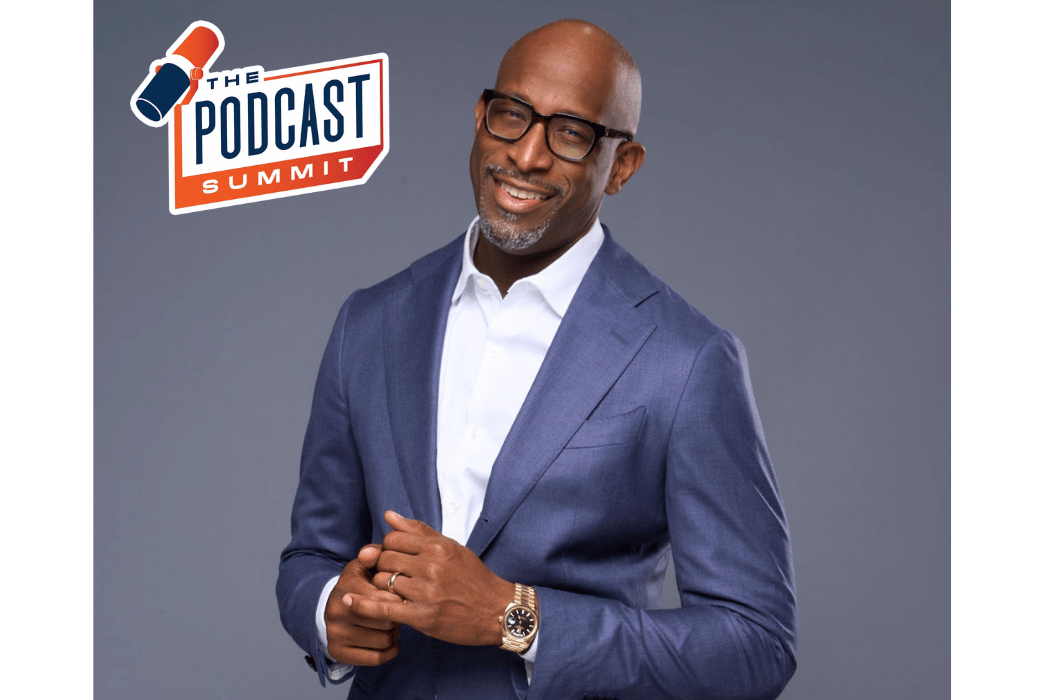
David Shands, founder of Podcast Summit, reveals how young business owners can turn content dreams into real money, and why waiting for viral fame keeps them broke.
Gen Z stands at a crossroads. Research shows that 84 percent want to start their own businesses. Yet 74 percent can’t find the experienced mentors they need to succeed. Instead, they scroll through social media, piecing together business advice from strangers who may have never built anything sustainable themselves.
David Shands understands this struggle better than most. As the CEO and founder of Podcast Summit, he has spent over a decade helping aspiring entrepreneurs transform their ideas into income. His message cuts through the noise that drowns out young founders every day: consistency beats virality, and real mentorship still matters.
The Generation Gap Nobody Wants to Talk About
When asked about the mentorship crisis facing Gen Z entrepreneurs, Shands doesn’t sugarcoat it. “I could find it. They just think we’re old,” he says with a laugh.
He remembers his own youthful perspectives. “When I was young, I wasn’t trying to talk to a 40-year-old about what I did during my life. I thought I had it figured out.”
But there’s more to it than typical generational friction. Young entrepreneurs today are growing up in a different world. Social media often shapes everything they know about success, money, and business. They see polished highlight reels and mistake them for reality.
“Their whole experience is that what’s real to them is what people are creating and putting out as real, but that’s not real at all,” Shands explains. “They only see what social media shows them, but you can’t blame them because that’s just how they grew up.”
This creates a dangerous blind spot. Gen Z founders often chase what looks successful online instead of building what actually works. They measure progress in followers instead of profit. They confuse attention with achievement.
Building Bridges Instead of Walls
Shands refuses to write off an entire generation. Instead, he actively recruits young people into his world. At his Atlanta studio, he maintains an open-door policy for youths interested in learning content creation and entrepreneurship.
His strategy? Find ambassadors who bridge the gap. “I find one that’s interested in learning and growing, and that younger generation person is always around another younger generation,” he says. “They can share that information and bring them around.”
He also runs internships specifically designed for aspiring content creators. When a kid in Buffalo, New York, saw Shands with his cameraman and asked, “Are you a vlogger? Are you a YouTuber?” it confirmed what he already knew. Today’s young people want to create content more than they want traditional careers.
“These kids want to be YouTubers, content creators,” Shands notes. “It’s easy for me to find that because that’s where they are.”
But wanting to create content and knowing how to make money from it are two different skills entirely.
David Shands on Monetizing Ideas: The Power of Thinking
The Money Problem Most Content Creators Ignore
Ask most young creators how they’ll monetize their content, and the first answer is usually “I don’t know.” Shands has heard it countless times. But he’s also discovered something important about that response.
“If I say, I need you to come up with a strong plan on how you’re going to make some money, and at the end of this exercise, I give you $1,000, their answer is never ‘I don’t know’ after that,” he reveals. “They sit down with some pen to paper, and they come up with a plan.”
The problem isn’t ability. It’s incentive and direction. Young entrepreneurs don’t lack creativity or intelligence. They lack guidance from people who have actually built profitable businesses.
This is where Shands’ approach differs from typical social media advice. He teaches a fundamental principle that challenges everything Gen Z has been told about content success.
“I would rather take a thousand dedicated listeners over 100,000 people who just viewed my content,” he says firmly. “If I have a product or a service that I offer to these thousand dedicated listeners, I’ll make way more money than I will with 100,000 views on a video.”
YouTube pay is low. Instagram pay is low. The real money comes from building your own products, services, and communities. That’s the lesson most young creators never learn until it’s too late.
Why Podcast Summit Exists
Shands didn’t start Podcast Summit because podcasting was trendy. He created it because aspiring content creators had nowhere else to go for real, practical education.
“Where else would you learn to be a podcaster or a content creator?” he asks. “There’s not a whole lot of places you can go. Podcast Summit is really unique in that way.”
The event serves multiple skill levels. Complete beginners learn the basics: what equipment to buy, how to record an episode, how to upload to Apple and Spotify. More experienced creators learn branding, lighting, and camera angles that make content look professional without expensive equipment.
“If I give a regular person a $3,000 camera and I say, ‘Let’s shoot this episode,’ and you give me an older iPhone, I would make the video look better on my phone,” Shands explains. “Why? Because I understand lighting and I understand angles.”
But the technical skills are just the foundation. The real value comes from Shands’ background as an entrepreneur first and content creator second. He teaches attendees how to leverage content to build businesses and personal brands that generate consistent revenue.
“I am an entrepreneur first and a podcaster second,” he emphasizes. “The best way to make money with your content is not waiting for the platform to pay you.”
The Patience Problem
Gen Z entrepreneurs face another challenge: the culture of instant gratification. Social media rewards quick wins and viral moments. Long-term business building requires patience, discipline, and delayed gratification.
Shands addresses this through consistent messaging and real-world examples. But he’s also realistic about limitations.
“For them to really grasp it, they just have to live a little bit,” he admits. “They’ll go through rushing and making mistakes, and eventually you realize, ‘I shouldn’t do that anymore.'”
He’s watched friends experience sudden success and assume the money will flow forever. They don’t save. They don’t invest. They buy everything they’ve always wanted: expensive cars, big houses, designer watches. Then their income drops, and reality hits hard.
“Some people have to go broke to learn it,” Shands says bluntly. “You can’t tell them. They’ll learn through life.”
The challenge is warning someone making money right now that this season might not last forever. Young entrepreneurs high on new money rarely listen. They have to experience the downswings themselves to understand why building a foundation matters.
The AI Advantage and Risk
Artificial intelligence now plays a central role in entrepreneurship. Every day, social media is filled with claims about people using AI to generate six-figure incomes. Shands uses AI regularly in his own work, but he maintains a balanced perspective.
“For the ones that master AI, those will be the next billionaires,” he predicts. “It’s as simple as that.”
When creating content about weddings, for example, Shands uses ChatGPT to research historical context and cultural practices. What used to require hours in a library now takes minutes. But he adds his own unique perspective to the information.
The tool enhances his work without replacing his creativity or expertise.
Still, Shands acknowledges the downsides. “I do believe it’s going to make some people lazy, and I do believe AI is going to cause people to lose a certain function of their brain.”
He compares it to cell phones eliminating the need to memorize phone numbers. Something is lost. But the benefits outweigh the costs for those who use the technology strategically.
“It’s good and bad with everything you have, give and take,” he concludes. “There are going to be some people that reject it and they reserve that part of their brain. It’s just taking them a longer time to get where they need to go.”
The Three Essentials for Success
When asked what advice he’d give a young entrepreneur trying to turn an idea into profit over the next 12 months, Shands offers three clear priorities.
First: Learn to create content. The modern economy runs on content. People research buying decisions by watching reviews and consuming creator content. Shands and his wife spent hours on TikTok before buying their recent car. Brands hire content creators specifically because they know where attention lives.
“You got to learn how to create content,” Shands insists. “It is what it is.”
Second: Build a community. Entrepreneurship gets lonely fast. Without other people to bounce ideas off, inspire you, and push you forward, even the most motivated founders struggle.
“You can’t do entrepreneurship alone,” Shands warns. “You need that environment of people to inspire you, to push you when you don’t want to push yourself.”
Third: Find a coach. Despite his earlier observations about generational friction, Shands maintains that mentorship remains essential. The right guidance dramatically shortens the learning curve.
“You’re going to have to have someone who can see a little further than you and have some experiences to help guide you along the way,” he advises. “It cuts the learning curve significantly.”
The Only Cheat Code That Works
Before building Podcast Summit and achieving success as an entrepreneur, Shands learned one lesson that shaped everything that followed.
“Consistency is the only cheat code,” he says. “There’s no way around consistency.”
But consistency alone isn’t enough. “It’s not just doing the thing consistently. It’s consistently growing and consistently wanting to improve,” he clarifies. “You have to show up every day, but that’s only one part of it. You have to consistently improve and look at what’s happening in your industry and look at how you’re approaching the business itself.”
This principle applies to Gen Z entrepreneurs just as much as it applied to Shands when he started his T-shirt brand Sleep is for Suckers while working at the Cheesecake Factory. Even then, he was teaching entrepreneurship before coaching and mentorship became buzzwords.
“My whole life and career has been about teaching other people,” he reflects.
Where Gen Z Goes From Here
The mentorship gap facing Gen Z entrepreneurs is real. Social media inspires but rarely delivers the practical, experienced guidance necessary to build sustainable businesses. Young founders need more than viral moments and follower counts. They need frameworks, strategies, and wisdom from people who have actually succeeded.
David Shands offers one path forward through Podcast Summit, held in Atlanta on July 2-3. Tickets start at around $200, making it accessible for aspiring entrepreneurs serious about turning their content dreams into income.
But whether young entrepreneurs attend his event or find mentorship elsewhere, the core message remains the same. Consistency beats virality. Community beats isolation. Real guidance beats scrolling through endless social media posts hoping to piece together a strategy.
The future belongs to Gen Z entrepreneurs willing to learn from those who came before them. Not because older generations have all the answers. But because experience still teaches lessons that no amount of Instagram scrolling can replace.
Success requires showing up every day, continuously improving, and building something real—one consistent step at a time
Register for Podcast Summit: PodcastSummit.com