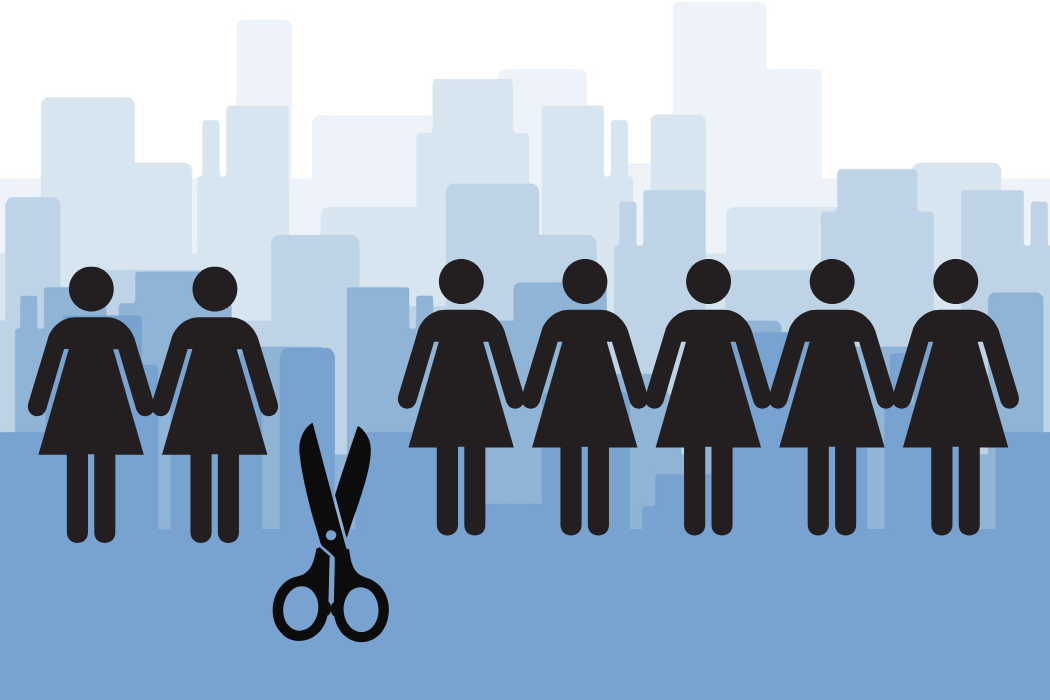
After losing federal jobs by the hundreds of thousands, Black women are building businesses that can outlast any employer. Financial expert Dr. Rosie Thomas is teaching them to build with intention, not just urgency.
Last year, more than 300,000 Black women lost their jobs in the federal workforce. The layoffs came fast. Their bills did not stop coming. For many of these women, the next step was not a new job search. It was something bigger: starting their own business.
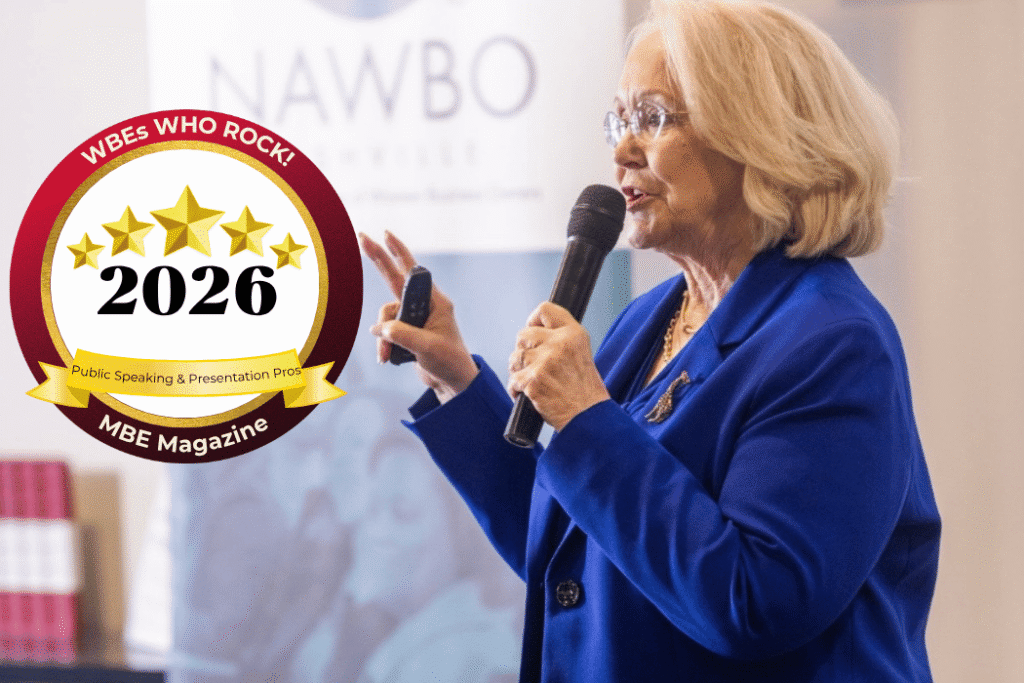
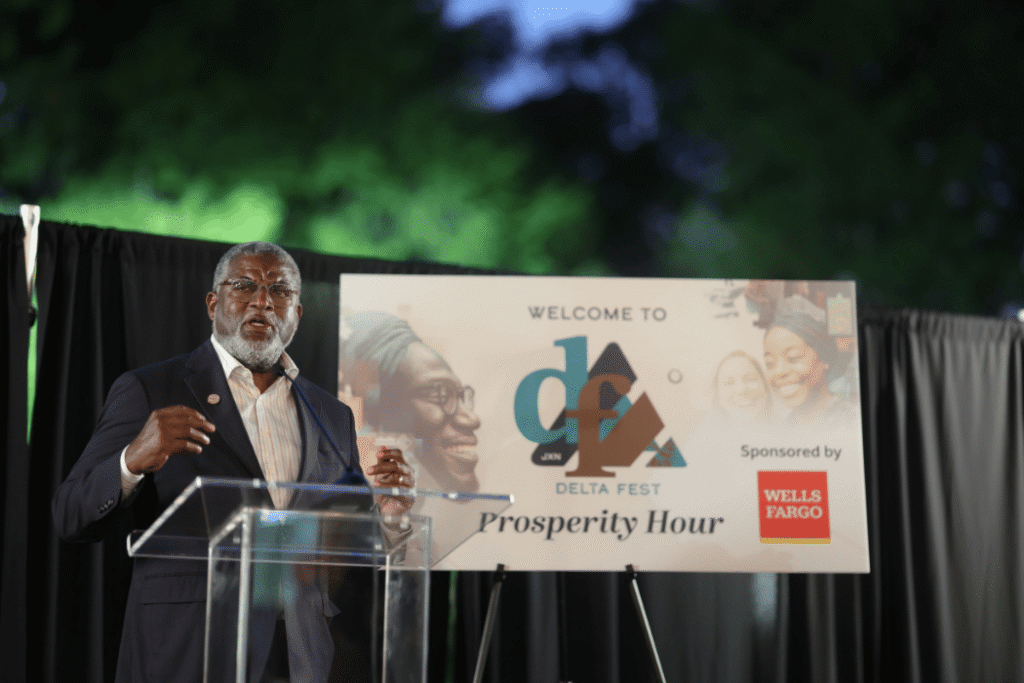
Dr. Rosie Thomas has watched this shift happen up close. As founder and CEO of Thomas Financial and Thomas Tax Academy, she has spent more than 20 years helping Black women build businesses that last. Her clients are not just chasing income. They are rebuilding their future on their own terms.
When the Job Ends, the Business Begins
Dr. Rosie sees the same story again and again. Talented women never planned to become entrepreneurs. Life pushed them into it.
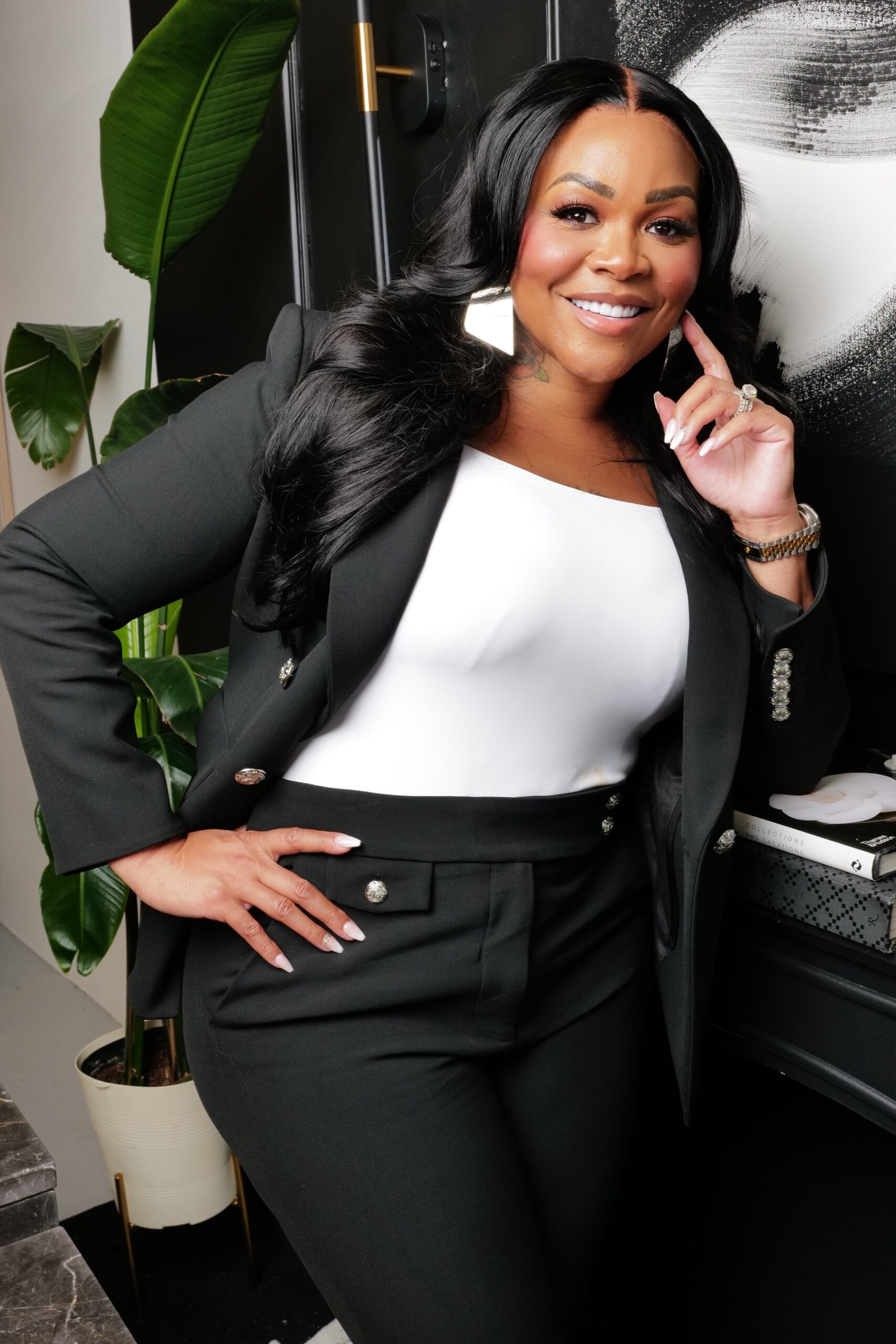
“Some of the most driven clients I’ve worked with came to me after a layoff. When your back is against the wall, something shifts,” she says. “But necessity-driven entrepreneurship is hard. You’re trying to build a business while managing fear, grief over a career you loved, and financial pressure all at once.”
Her advice is simple, but it takes discipline to follow: let the urgency push you, but do not let it rush you. “The urgency that brought you here can work for you, but you have to slow down enough to build with intention. Don’t just create a job for yourself. Build a business.”
Being Good at Your Job Is Not the Same as Running a Business
Many new business owners make the same mistake. They believe their skill is the whole business.
“Being excellent at what you do is the entry ticket, but it is not the whole show,” Dr. Rosie says. “In corporate, someone else handled HR, marketing, accounting, and operations. Now that’s all you.”
She has coached former vice presidents and senior directors who felt completely overwhelmed once they were on their own. Running a business calls for a different skill set than excelling in one lane of a company.
The second misconception hits just as hard: clients will not simply show up because you are good at what you do. “You have to learn how to sell, how to market yourself, and how to build relationships that convert,” she says. “That part humbles a lot of people, but it’s just a new muscle you have to build.”
The Three Traits That Separate Growth from Struggle
What makes one business owner thrive while another stays stuck? Dr. Rosie points to three traits: clarity, consistency, and coachability.
“The women I’ve seen build real, sustainable companies know exactly who they serve, what problem they solve, and what they charge. They’re not trying to help everybody,” she says. “The ones who struggle are often all over the place. They keep pivoting, chasing trends, underpricing themselves, and never staying in one lane long enough to see results.”
Coachability matters just as much. Some entrepreneurs invest in mentorship, then resist the advice they paid for. “The entrepreneurs who grow are the ones who are humble enough to take advice and implement it, even when it’s uncomfortable.”
Finding Money When the Bank Says No
Funding is one of the biggest walls minority women hit when they start a business. Dr. Rosie tells clients to start with their own numbers before they ever approach a lender.
“Lenders and investors want to see that you understand your numbers, that your personal credit is in decent shape, and that you have some kind of financial foundation,” she says.
From there, she points women toward Community Development Financial Institutions, known as CDFIs, because they exist specifically to fund underserved entrepreneurs. Grants are real and available for minority women, though they take research and work to win. Pitch competitions are another resource many women overlook.
But the most overlooked funding source may be the business itself. “The best capital you’ll ever access is the money your business earns when you price your services correctly and stop leaving money on the table. I see women underprice themselves daily, and that’s the first funding problem to fix.”
Build Your Systems Before You Need Them
When should a new business owner start building systems? “Day one,” Dr. Rosie says. “You don’t have to have a perfect system on day one, but you need to be thinking about systems from the very beginning.”
The women who struggle most by year two or three are usually the ones who hustled hard in year one without any structure. “Now they’re drowning in a business they can’t scale.”
Three systems matter most: client onboarding, invoicing and cash flow management, and a marketing pipeline. “If you don’t have a consistent way to bring in leads, close clients, get them results, and get paid on time, then you don’t really have a business. You just have chaos with a logo. Start simple. It doesn’t have to be fancy. It just has to be repeatable.”
The One Habit That Builds Real Wealth
If there is one financial habit Dr. Rosie wants every business owner to adopt, it is separating personal money from business money.
“I cannot tell you how many women I’ve worked with over the years who are running their entire business out of a personal checking account and have no idea whether their business is actually profitable,” she says. “Opening a dedicated business account and tracking your revenue and expenses separately will change everything.”
That one shift changes how you make decisions, how you prepare for taxes, and how you show up to a lender. “The mindset shift is treating your business like a business, not a hobby or a side hustle. When you start paying yourself consistently, budgeting, and planning for taxes before they’re due, you move from surviving to actually building something.”
The Credibility Tax No One Talks About
Behind the strategy and the systems is a barrier Dr. Rosie rarely hears discussed in public: the credibility tax.
“The extra hoops you have to jump through just to be taken seriously in rooms where other people walk in and are immediately given the benefit of the doubt,” she says. “I’ve been in spaces where I had to over-prepare, over-prove, and over-deliver just to earn the same level of trust that others received automatically.”
Then there is the isolation of often being the only one in the room. “That’s actually a big part of why I do what I do. I want to be the person in the room that I needed when I was starting out. I want women to come to me and feel like they don’t have to explain the full context of their experience, because I already know.”
Visibility Is Not Optional Anymore
For minority women building a business today, Dr. Rosie says personal branding is not a nice extra. It is everything.
“We are in an era where people buy from people they know, like, and trust, and visibility is what builds that trust at scale,” she says. “Your personal brand is working for you or against you, whether you’re intentional about it or not, so you might as well be intentional.”
For Black and minority women specifically, showing up publicly does more than build a client base. “Visibility also signals to other women like us that success is possible. When I show up publicly, talk about what I do, and share what I know, I’m not just marketing my business. I’m expanding what people believe is available to them.”
Strategic visibility opens doors that money cannot buy: partnerships, speaking invitations, referrals, and media features. But Dr. Rosie is quick to add a warning. “Visibility without substance is just noise. You have to have something real to stand on. Build the business, know your message, and then go be seen.”
A New Kind of Security
The federal layoffs took jobs. They did not take the skill, the drive, or the knowledge these women carry with them. Dr. Rosie Thomas is helping turn that loss into something sturdier than any paycheck: a business built with clarity, real systems, and money habits that hold up under pressure.
Her message to every woman standing at this crossroads is the same one she has given for 20 years: build with intention, know your numbers, and go be seen.