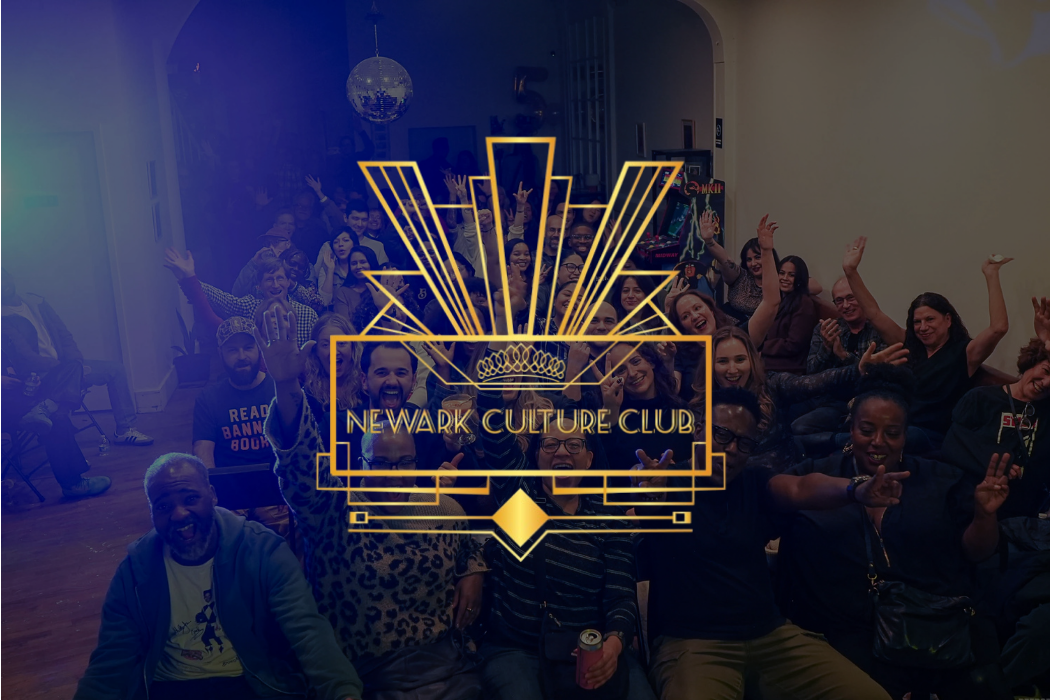
A comedian on the city that helped turn a vacant storefront into a stage
When I started performing stand-up comedy in New York City over 15 years ago, the city was a playground of back rooms in Irish pubs, basements of hookah lounges, small black box theaters, private dining rooms of restaurants, the corners of coffee shops, small music venues, and DIY venues with a makeshift stage. These may not sound like the most glamorous places, but third spaces are where performers learn about new communities, form relationships with each other, hone their craft, and start building an audience.
For about nine years, I spent a significant amount of time at a club called the Creek and the Cave in Long Island City, Queens, where I hosted shows of varying levels of attendance and networked with many comedians who went on to become household names. But after a few years in New York City’s 2010s “alternative comedy” scene, I immediately noticed venues like these were overwhelmingly concentrated in spaces where African Americans (Hispanics and Asians too) were minorities both on and off the stage. I started thinking: What would it mean for Black comics like me to not have to travel to established or newly gentrifying spaces? What if I could stay and cultivate my talent in my own community?
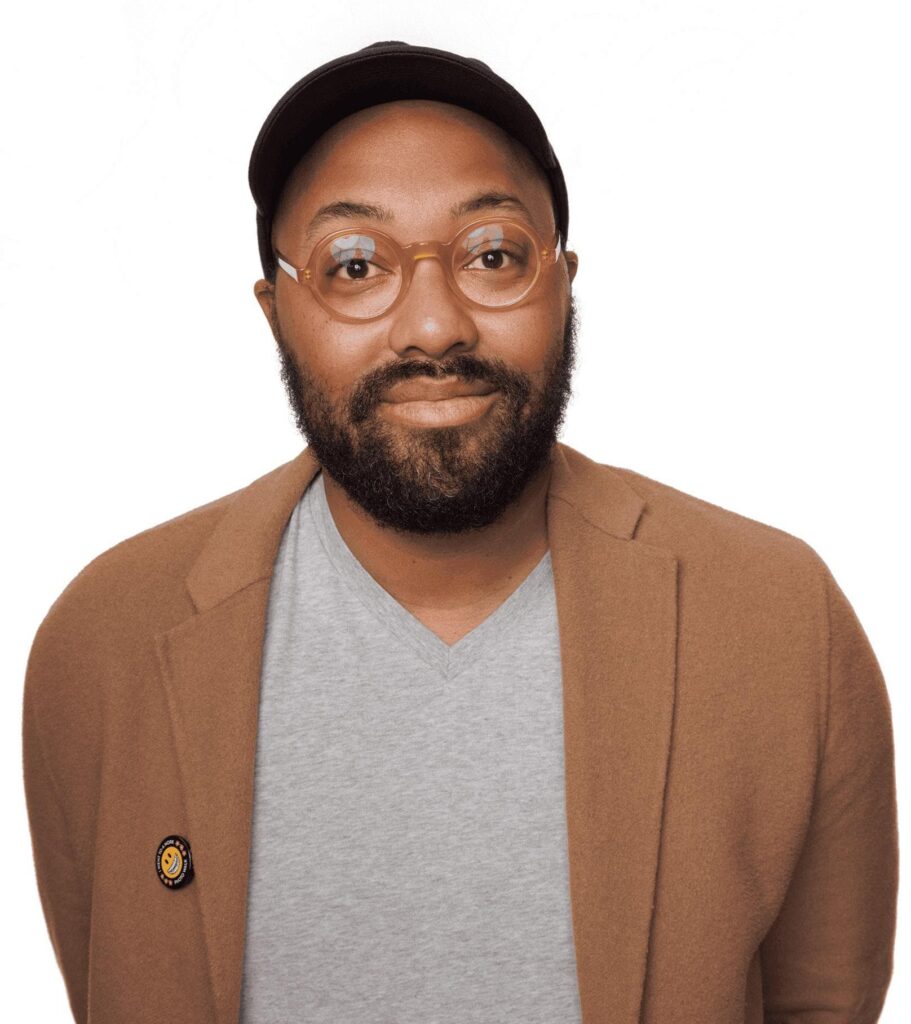
In 2014, I started producing comedy shows in the city I had recently moved to and begun my own family in, Newark, New Jersey. Newark is a majority minority city with approximately 90 percent of the population identifying as African American or Hispanic origin. It has a rich community of talented performers across all of the disciplines in the arts. Despite this richness, what quickly struck me about Newark is that it had very few third spaces, not only for performers, but for people in general. Newark has beautiful rooms. Almost none of them are places you can start in.
That wasn’t always the case. For decades, Newark was an entertainment destination in its own right, full of theaters, clubs, and late-night spots, and a regular stop for musicians traveling between New York and Philadelphia. Sarah Vaughan, born here, was slipping into Newark clubs to sing and play piano as a teenager, before she ever set foot on the Apollo stage.
After a decade curating the Brick City Comedy Revue, first on the second floor of a pub, and then in the back room of a brewery, I decided it was time for what had become Newark’s longest-running comedy showcase to find its own home. Friends and revue fans became investors, and together we sought out capital from the ample organizations in Newark like Invest Newark, Audible, and the Newark Alliance that are working to help people like me become business owners. My goal: create the type of space that I needed as a young performer—the Newark Culture Club, a full-time craft cocktail bar and live entertainment venue located in the heart of the city.
I’m proud to have created a space for local artists to grow their own careers and a place where Newarkers can feel welcomed, enjoy local and Black-owned sourced products, and see their reflection on stage. When you visit our club in Newark, you can see young poets getting their first stage time, trained musicians performing close to home, acclaimed authors reading from their newest works, and of course, comedians finding their voice. It was an incredibly difficult five-year journey bringing this project to fruition, especially since I’m not a millionaire. But opening it in a city with Newark’s powerful history and intentional, dynamic present has already been its own reward.
August [was] National Black Business Month, and it usually arrives as a consumer campaign. Of course I welcome that. Please come and drink in our club. But I also welcome you to build. If something is missing, work to build it.
For me, one day, I hope to be listening to a podcast and hear a famous performer speak fondly of getting their start on our stage.