Access to capital has long been one of the biggest barriers facing diverse entrepreneurs. For many minority-owned businesses, securing funding isn’t just difficult—it’s often the difference between staying small and scaling into a competitive, wealth-building enterprise.
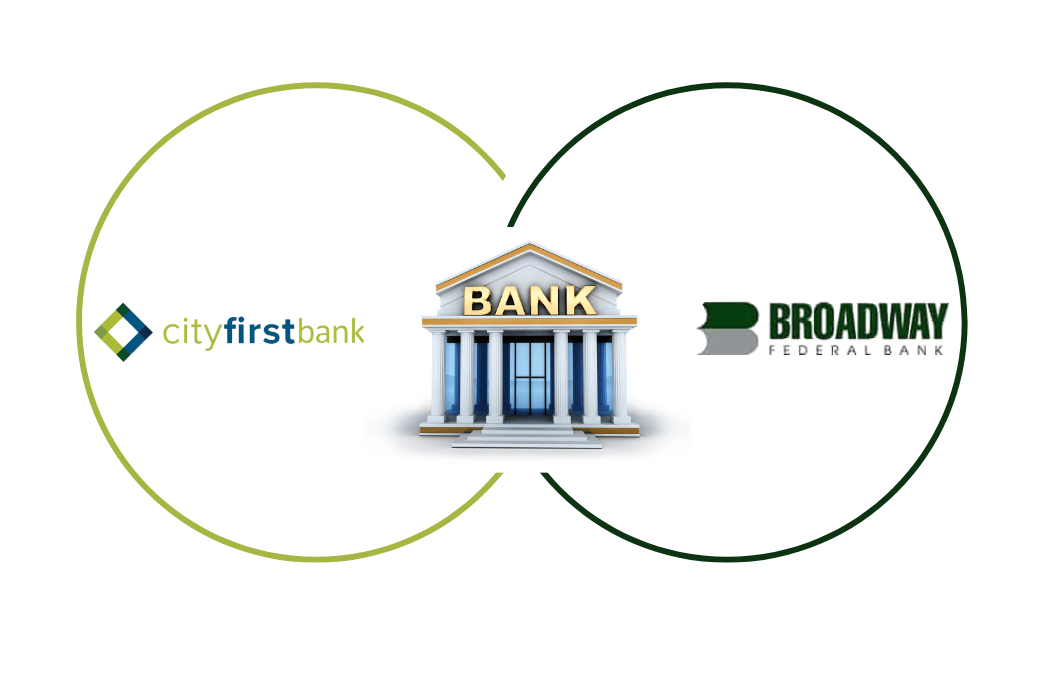
That’s why a recent milestone in the financial sector is drawing national attention. Two Black-led financial institutions—City First Bank and Broadway Federal Bank—have merged to form a combined institution with more than $1 billion in assets. The move creates one of the largest Black-led banks in the United States and signals a powerful shift in how minority financial institutions are positioning themselves for growth, impact, and long-term sustainability.
For diverse entrepreneurs, this isn’t just banking news—it’s a meaningful development in the broader effort to expand access to capital and economic opportunity.
A Strategic Merger Focused on Growth and Impact
The merger brings together two mission-driven institutions with long-standing commitments to serving communities that have historically been overlooked by traditional financial systems. By combining resources, the newly formed bank significantly increases its ability to lend, invest, and support economic development at a larger scale.
Both institutions operate as Community Development Financial Institutions (CDFIs), meaning they are specifically focused on directing capital into low- to moderate-income communities. This includes funding small businesses, supporting affordable housing initiatives, and investing in local economic development.
With over $1 billion in assets, the combined institution gains the scale needed to compete more effectively in a financial system where size often determines reach and influence. More importantly, it expands the pool of capital available to entrepreneurs who have traditionally faced limited options.
3 Key Takeaways
1. Scale unlocks greater access to capital
One of the biggest limitations for minority-led financial institutions has historically been size. Smaller balance sheets often mean smaller loans and fewer opportunities to support businesses at scale. This merger directly addresses that challenge.
By reaching the $1 billion asset threshold, the combined bank can now offer larger loans, support more businesses, and participate in bigger deals. For entrepreneurs, this translates into increased access to financing that can support meaningful growth, not just survival.
2. Mission-driven banking is evolving through consolidation
Over the past several decades, the number of minority-owned banks has declined, raising concerns about access to culturally competent financial services. However, this merger reflects a different trend, one of strategic consolidation to strengthen impact.
Rather than disappearing, institutions are joining forces to remain competitive, expand their reach, and deepen their ability to serve their core communities. This evolution allows mission-driven banks to scale without losing their purpose.
3. Community focus remains central to growth
Despite the increase in size, the mission remains unchanged. As a CDFI, the combined institution is still committed to serving underserved communities, ensuring that growth translates into real impact.
This means continued focus on:
- Small business lending
- Community development
- Expanding economic opportunity
The difference now is scale—the ability to do more of this work, for more people, in more communities.
What This Means for Diverse Businesses
While this merger centers on Black-led institutions, its implications extend across the entire ecosystem of diverse entrepreneurship, including minority-owned, women-owned, and small businesses.
1. More capital opportunities are emerging—but preparation is key
As financial institutions grow and expand their lending capacity, new opportunities for funding will continue to open up. However, access is not automatic. Diverse entrepreneurs must be prepared with strong financials, clear business models, and the documentation needed to secure funding.
This is a moment to strengthen your financial foundation so you’re ready when opportunities arise.
2. Relationship-driven banking can be a strategic advantage
Community-focused banks often take a more relationship-based approach to lending, which can benefit entrepreneurs who may not fit traditional lending criteria. For diverse business owners, building relationships with mission-driven institutions can unlock not just capital, but also guidance, partnerships, and long-term support.
In many cases, who knows your business, and understands your story, can make a meaningful difference.
3. The financial ecosystem is shifting toward greater inclusion
This merger reflects a broader trend: financial institutions are evolving to better serve underserved communities. As these organizations scale, they create more pathways for diverse entrepreneurs to access capital, expand their businesses, and compete at higher levels.
The opportunity is not just to participate in this shift—but to position your business to fully benefit from it.
The Bottom Line
The merger of City First Bank and Broadway Federal Bank marks a significant milestone in the effort to expand access to capital and strengthen minority-led financial institutions.
It’s a reminder that while challenges remain, progress is happening, and the infrastructure to support diverse entrepreneurs is evolving.
For Latino business owners and other diverse founders, the message is clear:
The opportunities are growing. The capital landscape is shifting.
Now is the time to be prepared to leverage both.
SOURCE: National Today