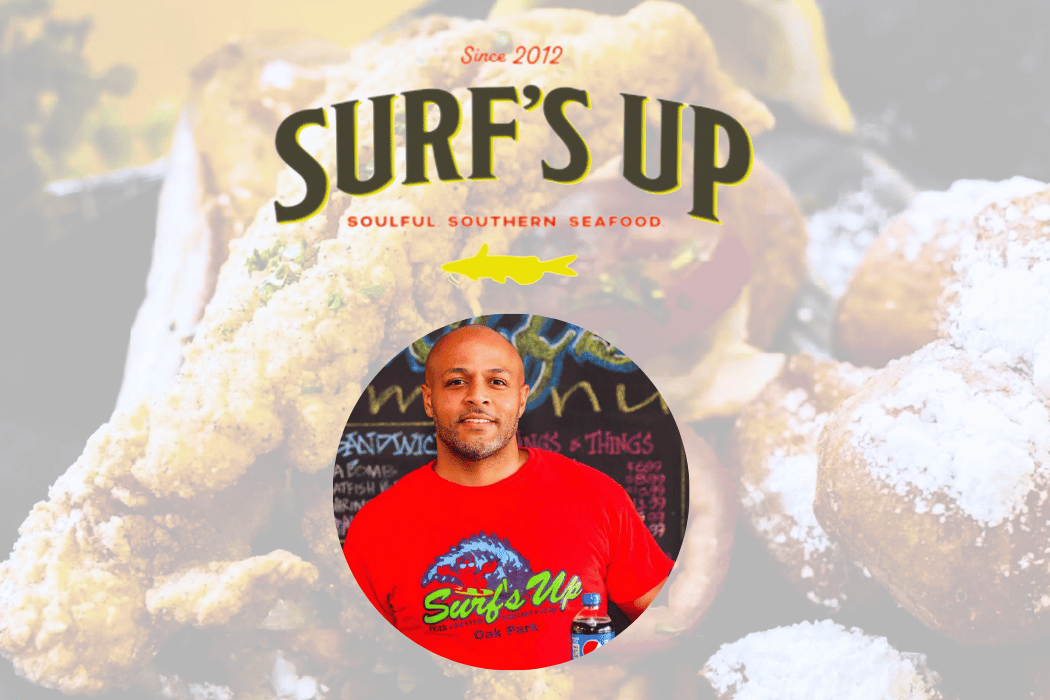
Surf’s Up founder Eric Roy turned a love for Southern seafood into a thriving restaurant franchise empire across Chicago and beyond.

This Franchising education series is brought to you in partnership with Prexsentials LLC, a legal and business advisory firm. Learn more at www.prexsentials.com or email them at carlos@the-impactor.com.
Eric Roy never planned to become a restaurant owner. As an auditor for the Florida Department of Revenue, he spent his days reviewing financial statements and traveling between offices. But during his trips to Tallahassee, something changed. Roy discovered a different kind of opportunity, one that would transform his life and bring Southern-style seafood to Chicago.
Today, Roy is the founder of Surf’s Up, a fast-casual seafood franchise that has grown from a single suburban location to multiple stores across the Chicagoland area. His journey through economic downturns, a global pandemic, and the challenges of scaling a business offers valuable lessons for anyone dreaming of franchise success.
Finding the Recipe for Success
In 2012, Roy was still working as an accountant, traveling for work while his wife Denise, a trained chef and hair salon owner, joined him on trips to Florida’s capital. The couple loved exploring local restaurants, and they noticed something special about the seafood spots in Tallahassee.
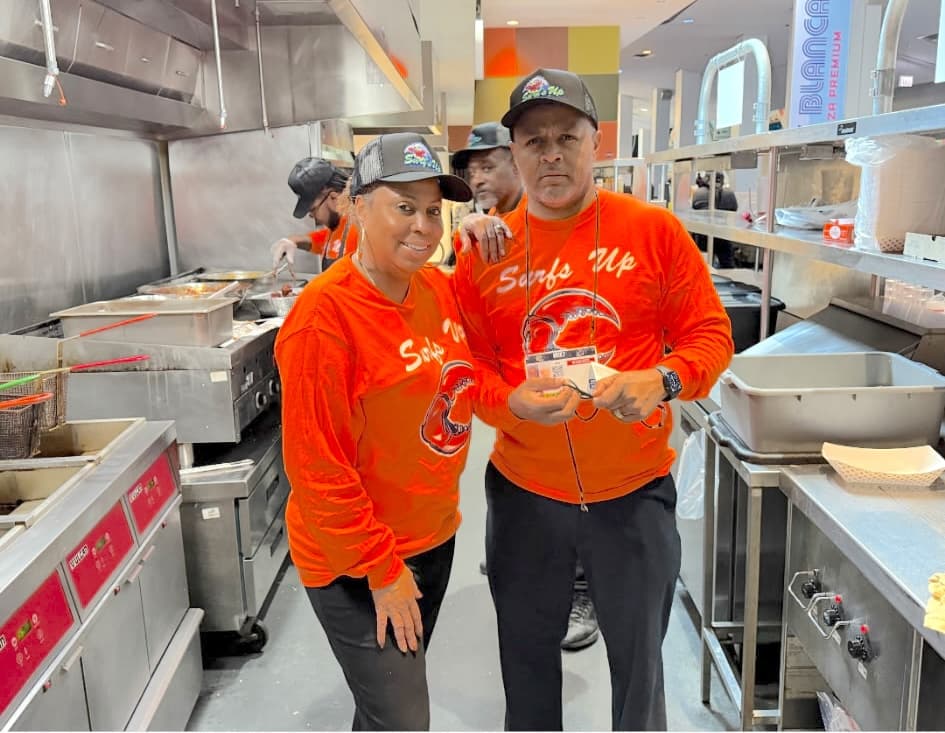
Photo: Eric Roy
“They had different types of seafood, and you could have them prepared different ways,” Roy explains. “You could have it grilled, broiled, baked, fried, or blackened. It was like an a la carte menu where you pick your seafood, then your side, and put your own meal together.”
This Southern Gulf Coast style of seafood, fresh, customizable, and full of flavor, was missing from Chicago’s food scene. Roy and Denise saw an opportunity. Chicago had the flavors, but nothing quite like what they experienced in Tallahassee. They decided to bring that concept home.
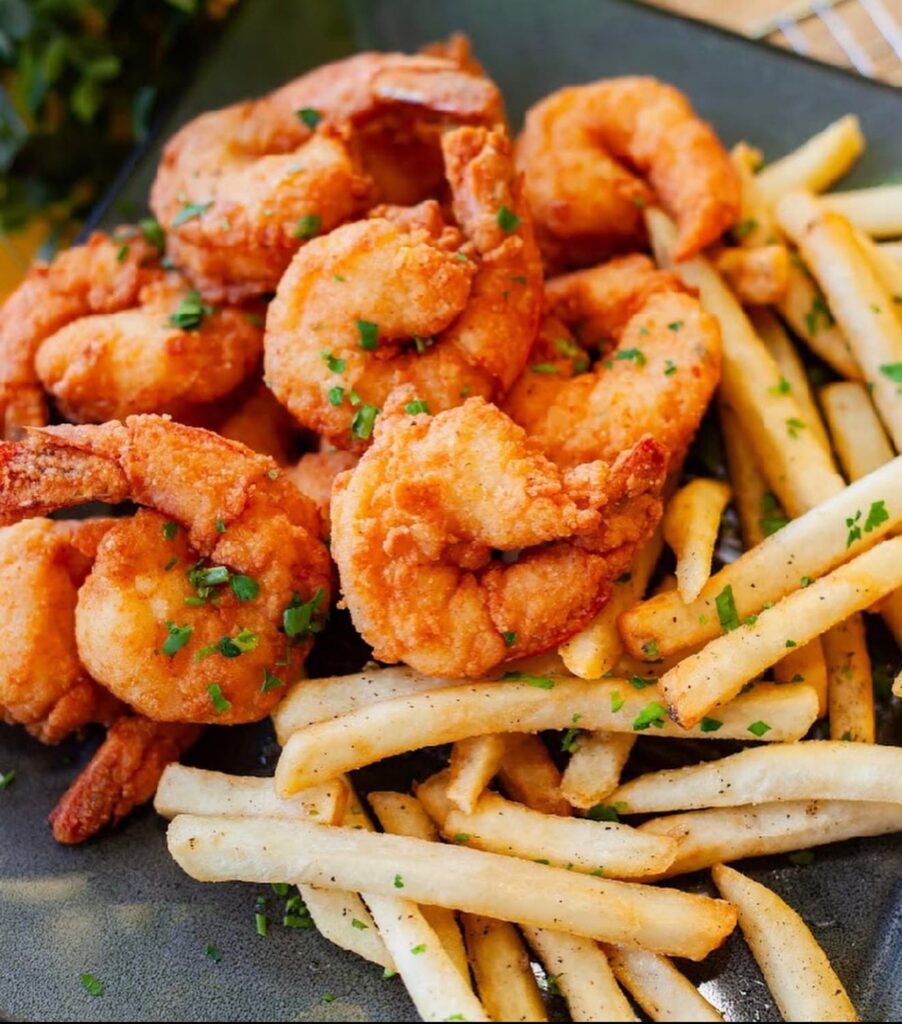
“When we started, we were the first ones,” Roy says. “We had crab legs, fried lobster, and grilled lobster. You couldn’t find these things in Chicago. Sure, you could go to Red Lobster, but that was it.”
Growing Fast in the Early Years
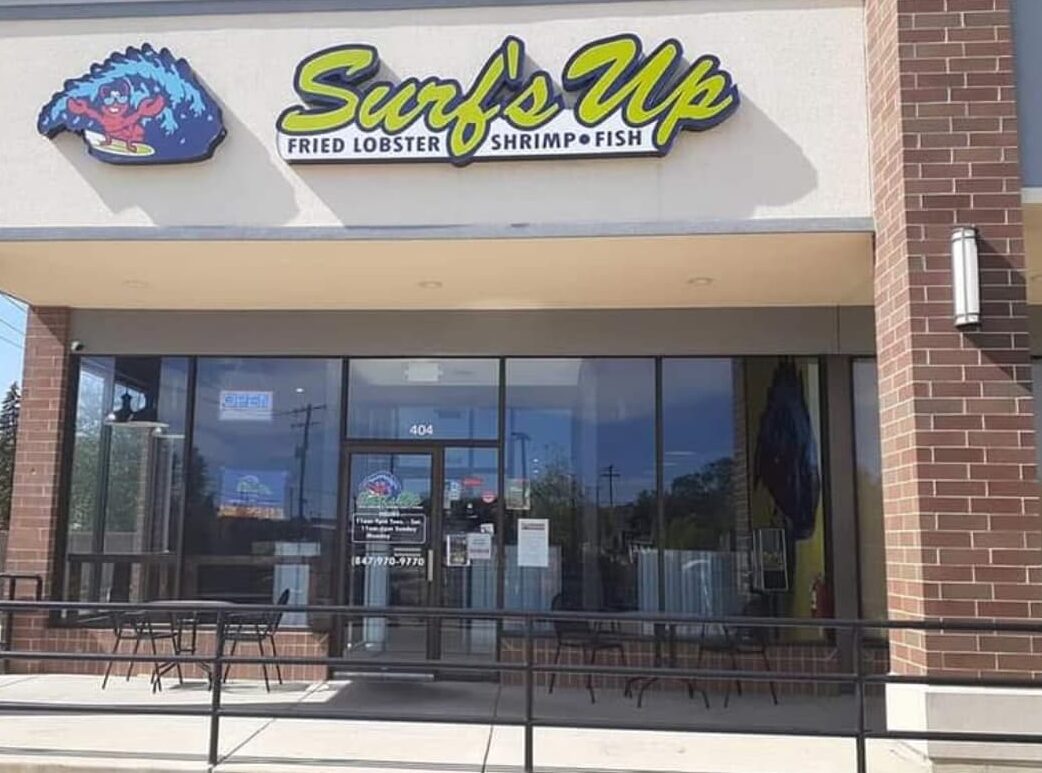
Surf’s Up opened its first location in Hillside, a Chicago suburb, in 2012. The response was immediate and strong. Within a year, Roy opened a second location on Chicago’s west side. The concept was working.
Word spread quickly. Roy’s sister and her fiancé, along with a friend, caught the franchise fever. By 2014, they opened two more locations. Surf’s Up was expanding at a pace that surprised even Roy himself.
But growth brought new challenges. Roy knew that protecting the brand would be essential, so he applied for a trademark. The U.S. Patent and Trademark Office rejected his application, a company in Virginia Beach already used the name “Surf’s Up” for shaved ice.
Roy didn’t give up. Working without an attorney, he appealed the decision himself. He argued that his trademark request was for Class 43 (restaurant services), not Class 35 (the shaved ice category). For three years, he waited. Then, in 2017, the USPTO published his trademark in the official Gazette. Thirty days later, with no objections, Roy won his appeal.
“That lit the fire back up,” Roy remembers. “It gave us the legal protection we needed to really grow the franchise.”
Building Momentum and National Recognition
With the trademark secured, Roy and Denise opened another location near their home in 2018. That same year, they launched their first official franchise location in Bronzeville, a historic Black neighborhood on Chicago’s south side where legends like Muddy Waters, Chaka Khan, and Emmett Till left their mark.
The restaurants were thriving. In 2019, Surf’s Up was featured on “Chicago’s Best,” a popular local restaurant show. The exposure was huge. Another franchise opened in Romeoville, another Chicago suburb. By December 2019, when the “Chicago’s Best” episode aired, Surf’s Up was becoming a household name.
“We were blowing up, going crazy,” Roy says. “We had these huge grand openings that attracted people and helped us open more restaurants.”
Then March 2020 arrived and the COVID-19 pandemic shut down the world.
Surviving the Pandemic Against All Odds
When the pandemic hit, Surf’s Up had eight restaurants in development, stores that were signed but not yet open. Many business owners closed their doors, thinking the shutdown would last a few weeks. Roy made a different choice.
“I decided not to close,” he says. “For two to three weeks, it was crickets. Nobody was there.”
Roy had to completely reshape the business model. Dining rooms closed. All furniture was removed from the front of the house. Surf’s Up switched to takeout only, adding curbside pickup as a new option. Third-party delivery apps like Uber Eats and GrubHub became essential, even though they took 20 to 30 percent of each order.
“It almost didn’t make sense,” Roy admits about the app fees. “But we had to adapt.”
Roy made the tough decision to stop selling new franchises. Instead, he focused on supporting existing stores and opening the locations already in development. The last of those pandemic-era stores opened in September 2022.
The pandemic brought other crises too. Supply chains broke down. Chicken factories closed. Ingredient costs shot up. Roy had to optimize the menu, cutting less popular items and focusing on their strongest sellers.
But something unexpected happened in the summer of 2020. After the George Floyd protests began, people started coming back out. Business picked up. During Chicago Restaurant Week that year, four Surf’s Up locations participated—and caught the attention of Levy Restaurants, a major sports concessions company.
Landing a Major Sports Arena Partnership
Levy Restaurants operates concessions in sports arenas across America—Soldier Field, United Center, SoFi Stadium in Los Angeles, and Allegiant Stadium in Las Vegas. They invited Roy to their downtown Chicago office to discuss opportunities.
“Everybody wanted to invest or do something with Black businesses,” Roy recalls. “We were super excited. We thought it was about to hit.”
But the opportunity took time. Two years passed. Roy reached out to Levy contacts periodically, keeping the relationship alive. Finally, they called about a proposal for the Obama Presidential Library. Surf’s Up joined the bid as a subcontractor. They didn’t win that one.
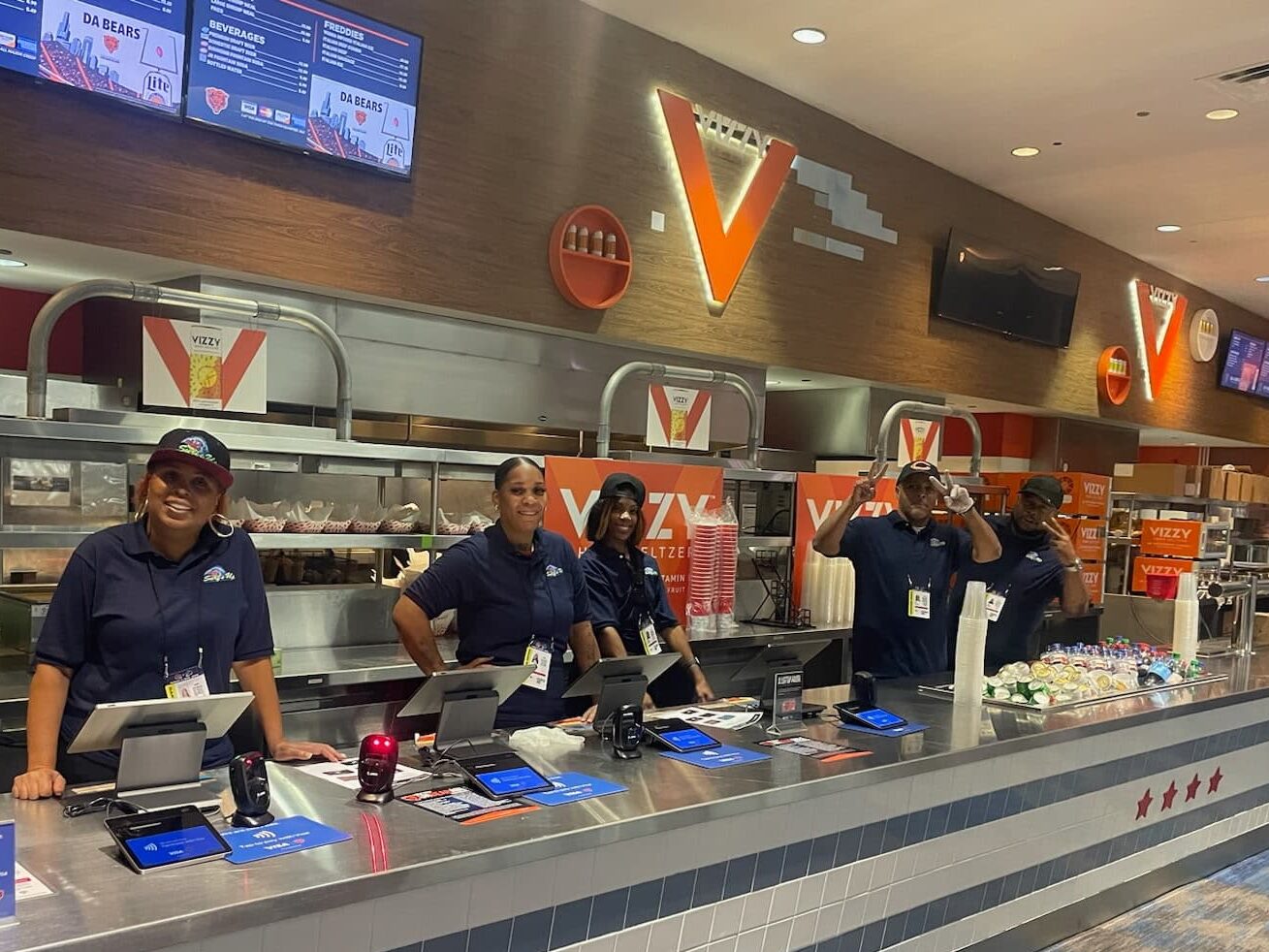
Six months later, another email arrived. This time, it was about Soldier Field, home of the Chicago Bears. Surf’s Up won the contract. They’re now in year two of a five-year deal serving seafood to Bears fans on game days.
Building the Right Infrastructure for Growth
As Surf’s Up grew to 12 or 13 locations, Roy noticed problems. Some franchisees were adding unapproved menu items. Others were cutting corners. The brand was losing consistency.
“We didn’t have the right amount of infrastructure to support a large franchise program,” Roy explains. “That’s another reason we put the brakes on.”
To learn how to scale properly, Roy started attending industry conferences, Food on Demand in Las Vegas, the Restaurant Finance and Development Conference, and the National Restaurant Association Show. He met people, learned from experts, and found mentors.
Two mentors became particularly important. Dan Rose, CEO of Fransmart, was one of the first Five Guys franchisees. He scaled his portfolio to almost 200 locations before selling and becoming a multimillionaire. Scott Redler, co-founder of Freddy’s Frozen Custard and Steakburgers, also offered guidance.
Roy also started pitching at competitions. He flew to New York to pitch at WeWork’s “We Franchise” event, then again to Las Vegas during Super Bowl week. Through these events, he met Grant Barra, of Barra & Associates, who had scaled an insurance company from one location to over 200 before selling it for $75 million.
After two years of conversations, Roy invited Barra to join Surf’s Up’s board of directors as a strategic advisor. Barra accepted. His friend Michael Durden, a CPA, joined as fractional CFO. Roy gave them equity that vests over time in exchange for their expertise.
“Grant doesn’t have franchise or restaurant experience, but he knows real estate, business governance, and how to scale,” Roy says.
Starting Fresh with Rhythm & Blues Cafe
While building Surf’s Up’s infrastructure, Roy and Denise launched a new venture in 2024, Rhythm & Blues Cafe in Forest Park, Georgia, near the Atlanta airport.
The concept draws inspiration from Hard Rock Cafe, which started as a burger restaurant in England before expanding globally. Rhythm & Blues Cafe features live music a couple of nights during the week, decorated walls with microphones hanging from the ceiling, guitars on display, and donated memorabilia from artists like Tony! Toni! Toné!
“We took everything we learned from the Surf’s Up journey and put it into Rhythm & Blues Cafe,” Roy says. “We hit the ground running. We did over a million dollars in the first year.”
Unlike Surf’s Up, Roy and Denise own 100 percent of Rhythm & Blues Cafe. They haven’t given up any equity. The plan is to perfect this restaurant, then apply the same franchise development process they’re using for Surf’s Up.
Lessons Learned from Building a Franchise
Roy’s journey offers clear lessons for anyone considering franchise ownership or development:
1. Vet franchisees carefully. “We weren’t properly vetting franchisees early on,” Roy admits. “We want people who are coachable, capitalized properly, and understand what being a franchisee means, someone who follows the rules and doesn’t try to run their own program.”
2. Build infrastructure before scaling. Roy learned that rapid growth without proper systems leads to inconsistency. He spent the past year building technology platforms, regular franchisee meetings via Zoom, and clear operational standards.
3. Find experienced mentors. Roy credits his mentors with helping him avoid costly mistakes. “Dan Rose and Scott Redler taught me that most franchise founders go through similar challenges. Mike Manzo from Jersey Mike’s told me they went from 20 locations down to one before building back up.”
4. Real estate matters more than you think. “We got some real estate that wasn’t the best,” Roy says. “We weren’t doing enough research in the beginning. Now we understand the importance of proper location analysis.”
5. Multiple units build generational wealth. “One store will replace your job, but it won’t make you wealthy,” Roy explains. “You need three to five stores or more. That’s when you can have a liquidity event and sell your portfolio for serious money.”
6. Stay open during crises. While other restaurants closed during the pandemic, Roy stayed open. It was tough, but it kept the business alive and positioned for recovery.
Looking Forward: The Five to Seven Year Plan
For the past six months, Roy has been preparing for Surf’s Up’s next phase. The brand is getting a complete refresh, new logo, state-of-the-art website, and updated systems. Within a month, the new website launches.
“We’re going to start franchising again in 2026,” Roy announces. “We’re looking at a five- to seven-year exit strategy.”
The plan is clear: scale Surf’s Up properly with the right franchisees and infrastructure, reach a successful exit within five to seven years, then repeat the process with Rhythm & Blues Cafe.
Roy’s sister is already following in his footsteps. She recently sold her Surf’s Up franchise and opened Eat My Biscuits, a brunch restaurant in East Point, near Atlanta’s airport. She wanted to create her own brand, just like her brother.
The Secret to Franchise Success
From accountant to restaurant owner to franchise founder, Eric Roy’s journey proves that success doesn’t require a hospitality background or massive startup capital. It requires vision, persistence, and the willingness to learn from mistakes.
Roy built Surf’s Up without a huge loan or investor backing. He taught himself trademark law. He navigated a pandemic. He learned from setbacks. Most importantly, he found mentors and built the right team.
“A lot of founders go through the same process,” Roy says. “Especially if it’s their first time. But you learn so much in the journey.”
For aspiring franchisees and franchise founders, Roy’s story offers a blueprint: find a concept people love, protect your brand, build proper infrastructure, find great mentors, vet your partners carefully, and never stop learning.
The Southern-style seafood that Roy discovered on those business trips to Tallahassee has become a multi-million dollar enterprise. And with his new plan for Surf’s Up and Rhythm & Blues Cafe, the best chapters of his story are still being written.
DOWNLOAD THE FRANCHISING 101 MINI GUIDE
Don’t make expensive mistakes. Get our free Franchising 101 Mini Guide with everything you need to know before franchising your business, including the legal traps most entrepreneurs miss and tips for beginners.