BCH’s AMEN Corner – Affluent Minority Entrepreneur News
In February, we celebrate love—love for family, legacy, community, and future. But here’s a form of love that too many minority business owners struggle to practice: loving your business enough to charge what it’s worth.
Because one of the major obstacles for minority- and women-owned businesses isn’t talent. It isn’t work ethic. It isn’t even demand. It’s the pressure, spoken and unspoken, to discount our worth just to be considered “competitive,” “reasonable,” or “grateful” in rooms that may already be questioning whether we belong.
And let me say it plainly for the MBE Magazine audience: Sometimes no deal is better than a bad deal. If the deal costs you your peace, your profit, or your ability to deliver excellence, it’s not a deal—it’s a drain.
The Quiet Math Of Undercharging
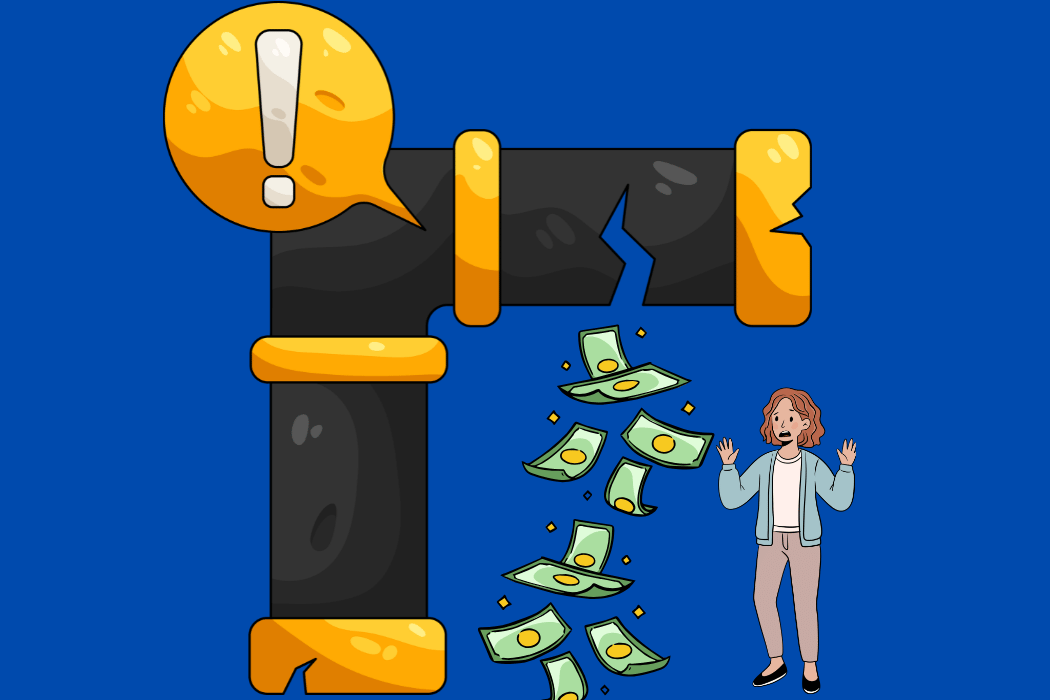
Underpricing can feel like a smart move when you’re trying to build momentum. But long-term, it becomes a wealth leak.
It looks like this:
- You win the contract… and immediately feel stressed.
- You accept the scope… and end up doing double.
- You take the rate… and can’t afford the talent you need.
- You stay busy… but never build reserves, invest, or scale.
You’re working hard, yet your company’s wealth and business stability aren’t moving the way they should.
That’s not growth. That’s survival in a nice outfit.
Why This Hits Diverse Businesses Harder
Many minority entrepreneurs are pricing in an environment where they may feel they must prove themselves before being respected. And when you’re navigating credibility gaps, limited access to capital, and inconsistent opportunity pipelines, it’s easy to start thinking:
“I can’t afford to say no.”
But here’s the truth: margin is the oxygen of a business. Without margin, you can’t hire. You can’t market consistently. You can’t weather slow seasons. You can’t upgrade systems. And you can’t build the kind of stability that turns income into generational wealth.
A business without margin is a business that can’t breathe.
Price Is Not Just a Number; It’s a Boundary
A confident price communicates leadership. It says:
- This is what it takes to deliver quality.
- This is what it costs to do it with excellence.
- This is what allows my business to stay healthy and stay open.
If your price is too low, you will pay the difference in another currency: stress, burnout, and less efficient systems.
And here’s a simple indicator that doesn’t lie:
If you feel resentful while delivering, your pricing is trying to tell you the truth.
The “New Base” Problem: Discounts Are Rarely Temporary
Here’s something many business owners learn the hard way:
Once you lower your price, you don’t just reduce revenue; you set a new baseline price.
Clients anchor to what you charged last time. And when renewal comes around, it becomes very difficult to bring that price back up to market, because the client now believes your service “should” cost what you discounted it to.
So if you choose to discount for a strategic reason, launching a relationship, entering a new market, building a portfolio, you must make it clear that the discount is temporary and conditional, not your true rate.
In other words: If you don’t define the discount, the discount defines you.
A simple way to communicate this is:
- Identify your standard rate (“Our standard investment is $X.”)
- Define the temporary discount (“For this initial term, we’re offering $Y.”)
- State renewal expectations (“Renewals will return to standard pricing or adjust to market rates.”)
Without that clarity, you may win the contract today and lose pricing power for years.
Don’t Fear Escalators: Inflation Will Eat Your Profits
Now let’s talk about another silent profit killer, especially in multi-year contracts:
Inflation.
Your costs will rise over time. Payroll increases. Insurance premiums go up. Technology fees climb. Materials cost more. Travel costs more. Even the cost of doing business, period, keeps moving.
So if you keep your pricing flat while your costs increase, here’s what happens:
Your profits shrink every year, even if revenue stays the same.
That’s why I encourage minority business owners to stop feeling “guilty” about annual adjustments and start treating them as responsible business practice. One simple solution is adding annual escalators to contracts, built-in increases tied to inflation or a fixed percentage.
Examples of how this can look:
- “Pricing increases by 3 percent annually upon renewal.”
- “Rates will adjust annually based on inflation and market conditions.”
- “A cost-of-living adjustment will be applied each year.”
Escalators are not aggressive. They are honest. They acknowledge reality.
If your costs increase and your prices don’t, your profit becomes the donation.
Three Moves to Strengthen Your Pricing, And Your Ability to Walk Away
1) Know your walk-away number before the conversation starts
Before you quote a price, get clear on the minimum you can accept and still deliver well.
Ask yourself:
- What does this job cost in time, tools, labor, and overhead?
- What profit margin do I require to reinvest and grow?
- What risk am I absorbing (tight deadlines, unclear scope, demanding stakeholders)?
- If I take this deal, what opportunities will I miss?
Your walk-away number is your line in the sand.
Without it, you negotiate from anxiety. With it, you negotiate from authority.
2) Stop selling hours; start selling outcomes
Many owners undercharge because they price the work like a laborer instead of a solution provider. Instead of leading with tasks, lead with outcomes:
- What problem do you solve?
- What does success look like for the client?
- What do they gain—time saved, revenue increased, risk reduced, reputation elevated?
People don’t argue with value as much as they argue with vagueness. Clarity is confidence. Outcomes create clarity.
3) Train your mouth to say, “That won’t work for us.”
This is where the real obstacle lives: the fear that saying no means missing out. But bad deals block good ones. Time, energy, and capacity get swallowed by underpriced work, leaving no room for the clients and contracts that fit your value.
Use simple, confident language:
- “To deliver this at the level you expect, our investment is $____.”
- “If budget is the issue, we can reduce scope—quality stays the same.”
- “At $____, we won’t be the best fit, but I’m happy to reconnect when budget or timing changes.”
Walking away doesn’t make you difficult. It makes you disciplined.
The Bad-Deal Warning Signs
A deal is often “bad” when:
- scope is unclear, but expectations are high
- payment terms are delayed, confusing, or disrespectful
- the client negotiates your price but not your deliverables
- you’re asked for “extras” before trust is built
- the process feels rushed, pressurized, or off-balance
Your intuition is data.
If it feels wrong in the beginning, it rarely improves later.
Bottom Line
This February, remember this:
A discount can’t fix a disrespectful deal.
A lower price won’t buy loyalty.
And being chosen at the expense of your worth is not winning.
Sometimes the most powerful business move you can make is a calm, confident “no.”
Because no deal is better than a bad deal, and you must be strong enough to walk away.
And the people said… Amen.