A Lean Six Sigma Black Belt reveals the systems, faith, and hard truths that turned his first franchise into a blueprint for excellence

This Franchising education series is brought to you in partnership with Prexsentials LLC, a legal and business advisory firm. Learn more at www.prexsentials.com or email them at carlos@the-impactor.com.
Clarence Howell spent over 10 years in the oil and gas industry. He managed teams across multiple countries. He held a Lean Six Sigma Black Belt. By most measures, he had already found success.
But when called to something different, Howell listened.
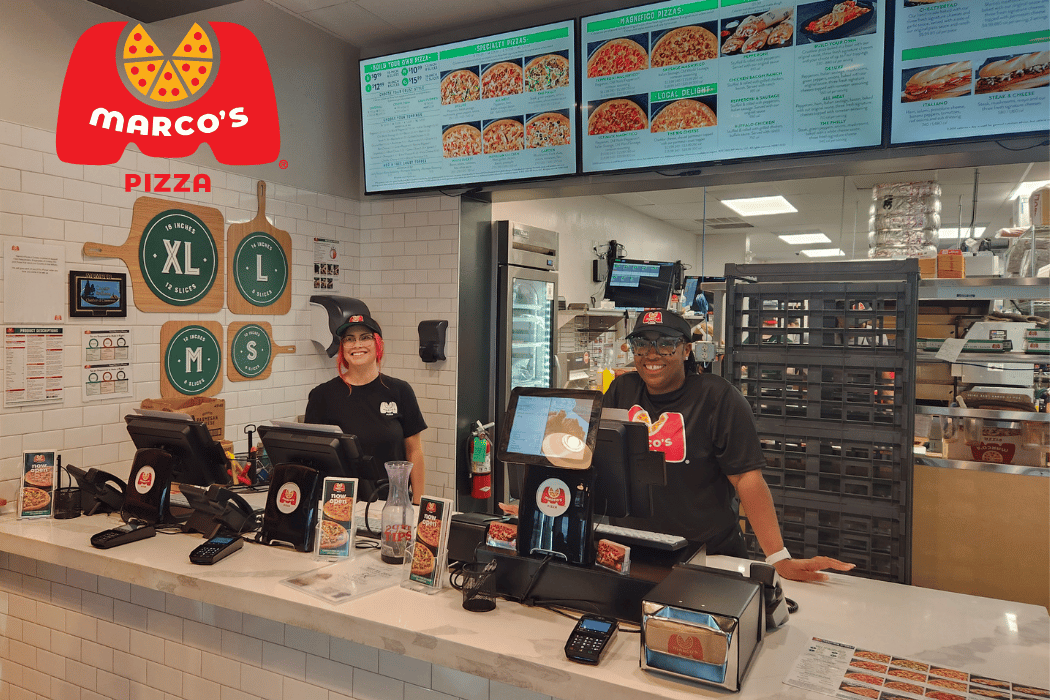
In January 2024, he opened his first Marco’s Pizza location in Crosby, Texas. What happened next surprised even him.
“Just because you’ve had success in one area does not guarantee success in something else,” Howell admits. “I was expecting to step right in and see monumental success. That wasn’t the reality.”
His story reveals something powerful. Building a successful franchise takes more than business skills. It requires the right systems, the right people, and sometimes, a leap of faith.
The Engineer Who Saw Pizza Differently
Most new franchise owners focus on branding first. They contemplate logos and marketing campaigns. Not Howell.
His engineering background taught him something different. He knew that without strong operations, nothing else matters.
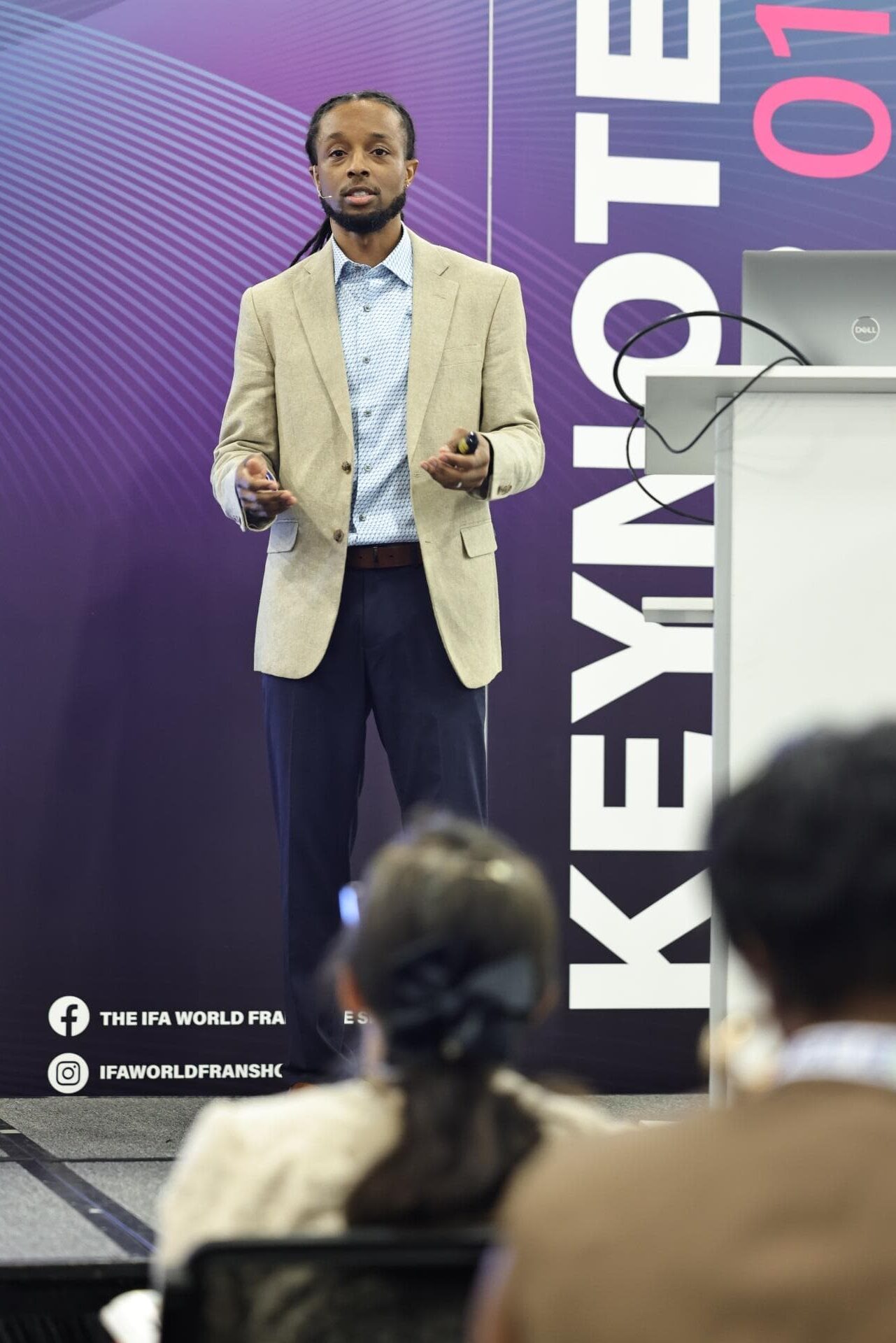
“I am very process-oriented, very numbers-driven,” he explains. “All of that training helped me to see the bigger picture, but also to build the roadmap that would help me to get there over time.”
Before opening day, Howell built core systems. He created training milestones. He developed a hiring process that filtered for the right people, not just experienced workers.
He approached his Marco’s Pizza franchise like an engineer approaches a complex problem. Break it down. Build it right. Test it thoroughly.
Culture First, Profits Second
While other franchise owners obsessed over food costs, Howell started somewhere unexpected. He focused on people.
“What kind of a place did we want to have?” he remembers asking. “What kind of feel do we want people to experience when they came inside our doors?”
He built his team around four core values: love, hospitality, health, and faithfulness.
These weren’t just words on a wall. They became the filter for every hiring decision.
During employee interviews, Howell doesn’t ask about restaurant experience. He asks behavioral questions instead. He wants to understand where people are in life and what they’re trying to accomplish.
“We have a very strong filter in the beginning that helps us target what we know would do well,” he says.
The results speak for themselves. His team understands the mission. They deliver exceptional service. And customers come back.
The Systems That Keep the Pizza Moving
Walk into Howell’s Marco’s Pizza, and you’ll see engineering principles at work.
Every new employee follows a structured training program. Within six to eight days, they can operate a station mostly on their own. The training continues with clear milestones up to 90 days.
But Howell tracks more than just training progress.
Every single day, he monitors three critical kitchen metrics:
Make time measures how long it takes from order to oven. Out the door time tracks when the pizza is ready for delivery. Delivery time captures the complete journey to the customer’s home.
“Those three things inside the kitchen are what we’re managing and what my managers are managing every day,” Howell explains.
He also watches daily labor costs, forecasting business levels and adjusting schedules accordingly. Weekly, he reviews food costs, customer satisfaction scores, and turnover rates. Monthly, he analyzes net sales, not just gross numbers.
“I’m more concerned with net sales because that’s what actually goes into your pocket,” he notes.
The Problem Every Franchise Faces
Ask Howell about the biggest challenge in franchise operations, and his answer is immediate: turnover.
“If you don’t have the right people, then you don’t offer a good product or you don’t give the best service,” he says. “Not having the right people creates a breakdown, which causes a major issue because people don’t come back.”
Good products and exceptional service depend entirely on having the right team. Lose your best people, and you lose everything else.
That’s why Howell invested so heavily in his hiring process and company culture. He knew from day one that people would make or break his franchise.
When Systems Fail Versus When Leaders Fail
After years of business turnarounds, Howell can spot the difference between a systems problem and a leadership problem.
Leadership problems show up during crisis. Communication breaks down. Strategy disappears. Leaders either go silent or deviate from the plan.
“It’s clear that people don’t either trust the plan that they have in place, or they haven’t been through challenges like those that they’re experiencing,” Howell observes.
Systems problems look different. You keep running out of ingredients because your supply chain has issues. You have only one supplier. You didn’t forecast demand correctly.
Right now, Howell says they’re facing a leadership challenge and he’s watching how communication and strategy hold up under pressure.
The lessons apply to any franchise owner building their business.
The First Six Months: All In
For the first six months after opening, Howell worked every single day. No days off. From before opening until after closing.
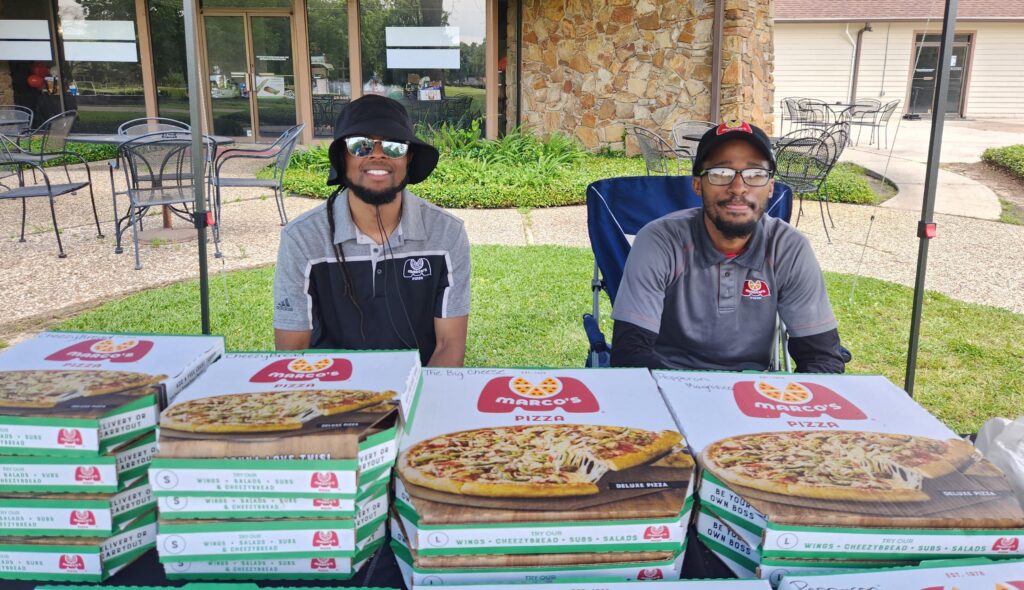
“I wanted to understand what it should look like? What should it smell like? What would it take for us to be successful?” he explains.
He needed to learn the business from the ground up. That way, he would instantly know when something felt off.
Looking back, would he do it again?
“There are more efficient ways that you can get a pulse of the business without living there,” he admits. “But being that this was a new venture, I felt that it was worth it to do it the first time.”
The investment paid off. Now he can spot problems quickly. He built the foundation for future growth.
The Reality Check for New Franchise Owners
Howell has seen many aspiring franchise owners make the same mistake. They underestimate what operational excellence really requires.
Two realities surprise first-time owners most.
First, past success doesn’t guarantee future success. Howell managed teams in multiple countries. He thrived in challenging business environments. But franchise ownership tested him in unexpected ways.
“Success may look different in what you are doing now compared to what you did before,” he says. “Going into new things with your eyes wide open, not thinking that you know everything is very helpful.”
Second, it’s no secret that location matters more than almost anything else for brick and mortar businesses. You can steward the brand perfectly. You can have amazing operations. But if your location is wrong, success becomes incredibly difficult.
“In a retail-based business, location is probably the most important factor in determining your success,” Howell emphasizes.
The Three-Part Readiness Test
Before opening a franchise, Howell recommends three critical tests:
Test One: Know who you are. Why are you doing this? Do your people know, understand, and believe it? Culture matters from day one.
Test Two: Push all the buttons. Turn all the wheels. Ask “what if?” Test your equipment, your point-of-sale system, every operational piece. Make sure everything works before customers arrive.
Test Three: Troubleshoot problems. Practice handling things when they go wrong. Because stuff always goes wrong. Your response determines your success.
“If you hit those three points, you’ve pressure tested the system enough to get a good feel to have a successful opening,” Howell says.
Faith as the Foundation
Howell would be the first to tell you that none of this happened by accident.
“The biggest reason that I transitioned from what I was doing to this was because God led me to start looking at something different,” he shares.
He was comfortable in oil and gas. He had found success. But he believed God called him to expand His territory, to prioritize more than just his immediate family, to step into something uncomfortable.
“It was really a call or a test of faith to get me to be comfortable enough to step out of being comfortable to being uncomfortable so I can be blessed,” Howell explains. “So, I can truly live out the mantra of ‘I’m blessed to be a blessing.'”
The transition wasn’t easy. Howell leaned on three practices: constant prayer, daily time in God’s Word through a Bible study group that meets six days a week, and wise counsel from trusted mentors.
He also adopted what Dr. Fred Littles calls “the big three”: prayer, fasting, and time in the Word.
“Adopting that to my life has helped me become more comfortable with submitting my will to God’s will,” Howell says. “If I believe that I’m connected to the source, I can truly navigate my life in a way to where His will is better than mine.”
What Success Really Looks Like
Today, Howell runs his single Marco’s Pizza location in Crosby, Texas. He also leads A.C.C. Business Solutions, a consulting firm focused on continuous improvement, Lean Six Sigma, and data culture work with other companies.
He has ambitions to grow. Not currently within Marco’s, but in other franchise brands. He wants to expand his consulting work, simultaneously.
But his definition of success has changed.
“Success doesn’t have to just look like a paycheck or some stuff,” he reflects. “Success actually looks like you making a positive impact where you are with what you have.”
He mentors emerging leaders. He volunteers. He engages in community service. Together with his wife and their two sons, he lives out his values every day.
This is what happens when an engineer applies systems thinking to franchise ownership. When faith guides business decisions. When culture comes before profits.
The result isn’t just a successful Marco’s Pizza franchise. It’s a life lived with purpose, a business built on solid foundations, and a legacy of blessing others.
For anyone considering franchise ownership, Howell’s journey offers a roadmap. Build the right systems. Hire the right people. Stay close to the operation in the beginning. Track the metrics that matter. Test everything before opening day.
But most importantly, understand your “why.” Know your purpose. Let that guide every decision.
Because success in franchising looks different than you might expect. And sometimes, the most important metrics can’t be tracked on a spreadsheet.
DOWNLOAD THE FRANCHISING 101 MINI GUIDE
Don’t make expensive mistakes. Get our free Franchising 101 Mini Guide with everything you need to know before franchising your business, including the legal traps most entrepreneurs miss and tips for beginners.