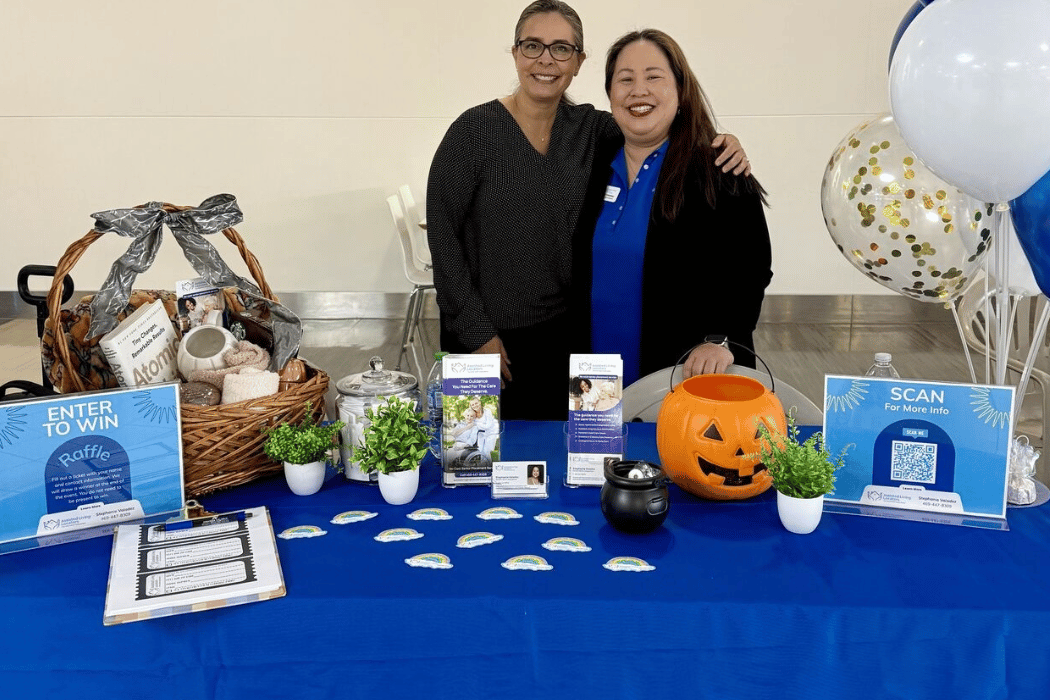
Stephanie Valadez traded job security for franchise ownership after her corporate role was eliminated. Now she guides families through difficult senior care decisions in Denton County.

This Franchising education series is brought to you in partnership with Prexsentials LLC, a legal and business advisory firm. Learn more at www.prexsentials.com or email them at carlos@the-impactor.com.
Stephanie Valadez had two rules when she started looking for a franchise: no brick and mortar, and absolutely no food service. As a single mom whose corporate role had just been eliminated, she needed something that would ramp up fast, with a lower investment than a restaurant and no waiting a year before making money. “I’m prepared and I have some runway to scale my business, but not a year plus before I’m even established,” she says. That’s when Assisted Living Locators entered the picture.
At first, Valadez was nervous because she didn’t have a healthcare background. But what she did have was personal connection to the work. She’d navigated the senior care journey with her own family and knew how delicate and stressful it could be. “It’s something everybody will have to face at some point in their lives,” she says. “My coaching background, my HR background, my people background, it helps make it a little less stressful for families who already trust me.”
The Franchise Broker She’d Known for 10 Years
Valadez didn’t stumble into franchise ownership. She had a contact, a franchise broker she’d met at a networking event over 10 years ago. “I was ahead of my time because I met her before I was even ready for it,” she says. A few years ago, she reached out but the timing wasn’t right and she needed something more stable, so she took a corporate job. When that role ended, she was done. “Corporate doesn’t have the same sense of stability it used to have,” she says. “I’d rather bet on myself.”
She applied for exactly two jobs, then called her franchise broker friend. Working together was seamless because the broker had been doing this for 12 or 13 years and knew Valadez well enough that her assessment process helped matchmake and refine which brands to consider. “Instead of me throwing paint at the wall and seeing what sticks,” Valadez says. “That’s not a way to do it.” The work mirrors what Valadez does now, and it raises the question: why wouldn’t you lean on an expert instead of trying to figure it out on your own? “There’s no way you could find the business that’s best for you through Google or even AI,” she explains. “It takes a human touch.”
Walking the Senior Care Journey Twice
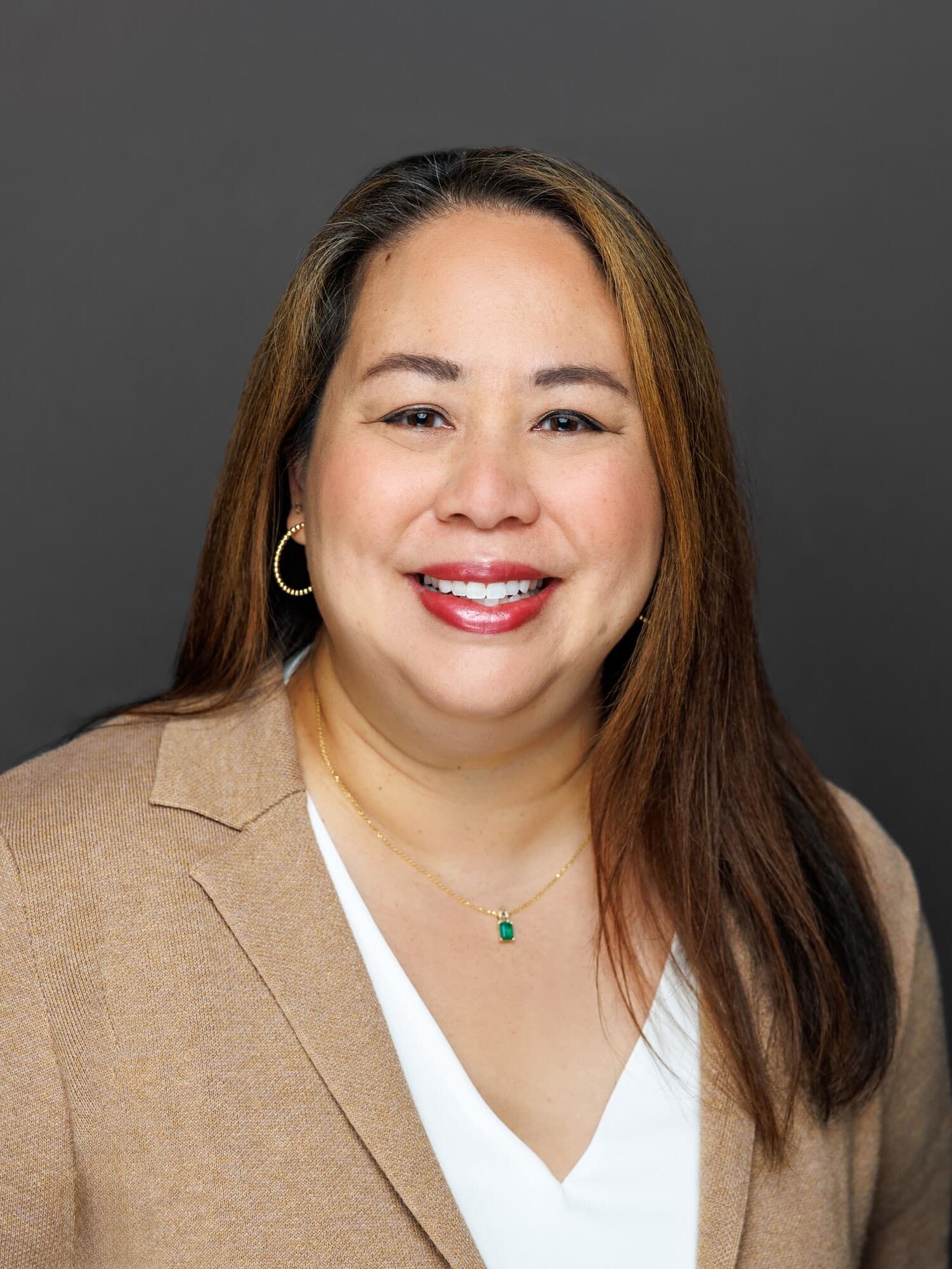
Photo: Stephanie Valadez
Valadez has been through this before, first with her grandparents, then with her parents. “It’s a lot of listening to both what they’re telling me and what they’re not telling me,” she says. “It’s so personal. No one journey is the right path for everyone.” Family dynamics get complicated, and when you think about your own family dynamics and then stack a crisis on top of it, it becomes too much. “Having somebody be the steady guide who has the best interest of everybody makes it so much easier,” she says.
Cultural competency matters too, and she’s looking out for her clients in all aspects, not just the look and feel and the budget, but whether they’ll actually thrive there and whether the caregivers can meet their needs. “Some food is good, but it doesn’t have any flavor,” she says. “I know my family wouldn’t be for that. I’m thinking about the things that would matter to somebody, especially if it’s their last chapter of life.”
No Healthcare Background? No Problem
Valadez doesn’t come from healthcare, she comes from corporate, advocacy, people operations, and workforce strategy. During validation calls, everybody identified their own weaknesses, and she discovered something interesting: people who have healthcare backgrounds lacked the exact skills she brought to the table. “That advocacy, navigating difficult life situations, that’s what helps connect it all and make it digestible for families,” she says. She goes piece by piece, takes one step at a time, and digs deeper because people will often tell her one thing when that’s really just what they think they need. “I ask more questions to dig a little deeper,” she says.
She typically gives them two or three options, though sometimes two is more than one family can manage because it’s so overwhelming. “One is what they think they want, to appease them. One is the option I think is probably going to be a pretty solid bet. And the other one is a wild card,” she says. “Just giving them variety and letting them make that decision.” There’s another piece too, for older adults, moving to senior care can feel like losing freedom, so Valadez focuses on empowering them throughout the process. “At the end of the day, they’re the ones who are going to be most impacted,” she says. “Really listening closely to them, even though their kids may think they know better. Mom and dad might be in early stages of dementia, but they still deserve dignity. They still know what they like and don’t like.”
It’s All About Relationships
Valadez’s marketing strategy isn’t complicated; she shows up at networking events, connects with hospital discharge planners and case managers, and builds genuine relationships. “It’s relationship building, it’s educating our communities on how we can better serve and meet those needs, especially when we see gaps.” She sees big changes coming in the next few years with the sandwich generation, and in her own Vietnamese culture, sending elders to senior care communities has been almost unheard of. But with smaller family sizes and people living much longer, that’s changing.
“We’re going to need more communities that can meet that need,” Valadez says. “If the food isn’t right, you won’t get a Vietnamese mom to ever move into any community. Their food needs to be good and on point. The activities are different. Their expectations. The language piece is also very important.” Many can speak English but prefer their own language, and feeling like there’s a sense of community no matter where they go matters deeply. “Being that advocate for them and for the communities, that’s the best way for me to serve,” she says.
Two Kids, Aging Parents, and a Business
Valadez has an 11-year-old and a 14-year-old, which means she’s part of the sandwich generation herself, balancing kids, careers, and aging parents. “That’s why this business spoke to me,” she says. “I was seeing so many of my colleagues and friends experiencing it themselves. I got into this business to be better informed so I could guide my own family and network through this process.” There’s so much education needed because people think Medicare and Medicaid will pay for everything or that mom and dad can just age in place and there’s nothing else to think about. But there’s just so much to consider.
“Everything is more expensive. We’re living longer, but somebody’s health can decline in a very short period of time,” Valadez says. “If you don’t have somebody guiding you through it, you may not make the best decisions for your loved one.” Most people don’t even know services like hers exist, they either get their family member discharged from a hospital and frantically tour communities on their own, or they hear that someone’s mom is at a particular place and assume it must be good. One of her clients wrote a review comparing it to buying a house. “You just don’t do that without a realtor,” Valadez says. “You don’t know what you don’t know. Having somebody who’s a specialist really cuts down on the time you’re spending. It helps you be clear on your decision making so you’re not second guessing yourself.”
That confidence piece matters because there’s a lot of guilt and emotion when making decisions for a loved one, and families often wonder whether they’re making the best choice. “This is where I can say, yes, we are making the best choice with the information we have right now,” she says.
A No-Cost Local Senior Living Advisor
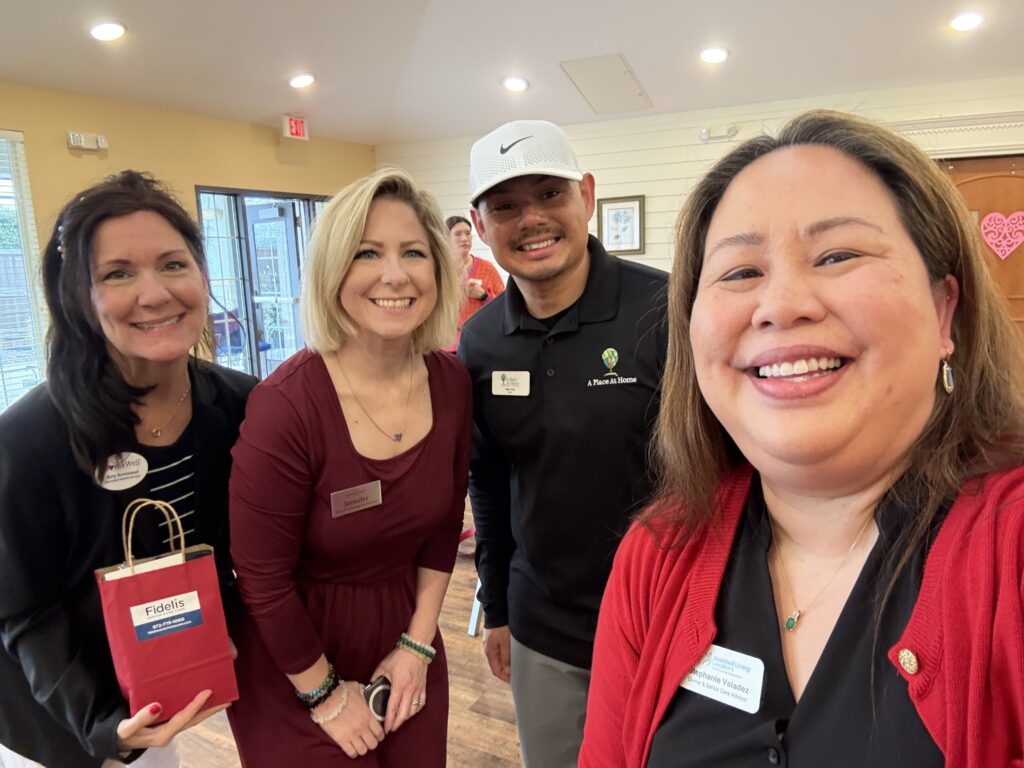
Photo: Stephanie Valadez
Valadez is a matchmaker between families and senior living options, and she walks the journey with them at their pace because some families move slower while others move quickly. “I’ve stepped foot into all of the communities. I’ve got relationships. I know which ones might be the best fit based on the time I spend with each family,” she says. “There’s a lot of care and attention with each family I serve and each community I work with.”
Her territory covers Denton County, everywhere from North Carrollton up to Denton, and it’s a large territory. What she doesn’t cover, she has colleagues in DFW who can step in, and because Assisted Living Locators has nationwide coverage in the U.S., it matters when families need to relocate from one place to another because the transition becomes seamless.
Meeting Financial Expectations
The business has been doing as well as Valadez expected. “I see how the more established franchisees have performed, and that really makes it exciting for me,” she says. There’s a community chat where franchisees encourage each other and share what’s working, so she can level up her own business by watching what others do.
Fail Fast and Put People First
The biggest thing Valadez has learned is to fail fast and get over it quickly. “There’s a lesson in everything and not holding on to it for too long,” she says. “This early on, you’re making missteps because you don’t know what you’re doing yet. I don’t know what I’m doing all the time.” When she makes those missteps, she learns and gets better because that’s part of the process. “Not being so hard on myself when that happens,” she says.
The other big shift has been taking the care and attention that was missing from corporate, where there wasn’t enough of that and so much of the company and the profits drove everything. “This is a person-centered business for me,” Valadez says. “The families are at the core. That’s a different perspective than I was seeing in corporate. That’s the idealistic thing. You always hope for the best, but that’s not really how corporate works.” After years in corporate America, Valadez is finally betting on herself.
DOWNLOAD THE FRANCHISING 101 MINI GUIDE
Don’t make expensive mistakes. Get our free Franchising 101 Mini Guide with everything you need to know before franchising your business, including the legal traps most entrepreneurs miss and tips for beginners.