Evaluate whether solar panels suit your business with insights on energy demand, site readiness, vendor selection, and long-term performance planning.
Solar energy has moved from a niche concept to a mainstream power option for commercial enterprises that seek cost control and operational resilience. Business leaders now face complex energy markets, volatile utility rates, and rising stakeholder expectations regarding environmental responsibility. In this environment, solar panels present an opportunity and a strategic decision that demands careful evaluation.
A structured approach allows your organization to determine whether solar aligns with performance goals and risk standards. Learning how to ensure solar panels are right for your business will help you assess feasibility, manage exposure, and maximize value from a potential installation. These insights support a confident and informed decision process.
Assess Your Energy Demand
A thorough review of your facility energy profile reveals demand patterns, peak load periods, and total consumption across seasons that affect solar return on investment. Utility invoices from the past three years provide data that supports accurate forecasts and highlights rate structures that shape solar value for your organization today. A detailed load profile also shows equipment demands, production cycles, and future expansion plans that influence system size and financial performance within your market sector.
When you compare current electricity expenses with projected solar output, you gain clarity about payback periods and long-term budget stability for your company leadership. Clear financial metrics allow executives to evaluate solar proposals against other capital projects and align decisions with corporate risk tolerance and strategic growth objectives today. This evaluation sets realistic expectations and prepares your team for vendor discussions that focus on measurable outcomes rather than optimistic claims from sales representatives alone.
Evaluate Site Suitability
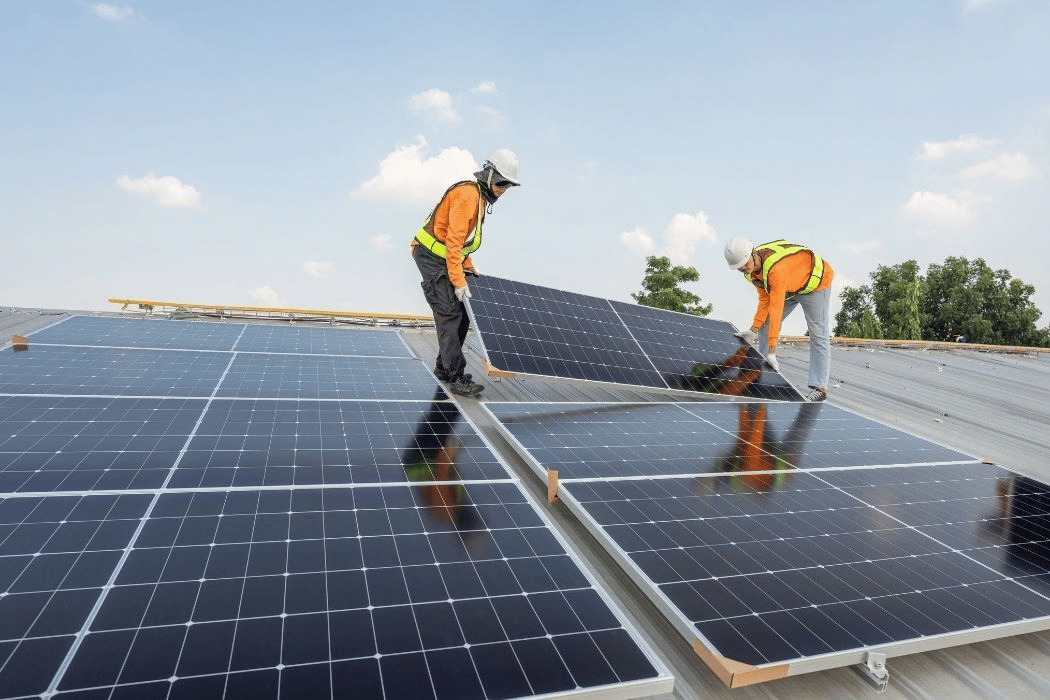
An inspection of roof condition, orientation, and available surface area determines whether your facility can host panels without major structural alterations or site redesign costs. Shade from adjacent structures, trees, or equipment reduces output and must factor into production estimates before you commit capital resources to a solar project plan. Local climate patterns, snowfall levels, and wind exposure also affect panel durability and influence the selection of support systems that meet code and safety standards.
A professional site audit documents electrical capacity, transformer limits, and interconnection options that define project scope and utility approval paths within your service territory. Access to clear pathways for conduit and inverter placement supports efficient construction schedules and reduces disruption to daily operations across active work areas and offices. Clear access plans also enhance worker safety and allow contractors to execute installation tasks without conflict with core business functions amid daily work demands on-site.
Review Financial Incentives and Policy
Federal tax credits, state rebates, and local grants can reduce upfront expenses and improve project feasibility for many commercial sectors within your regional market landscape. A careful review of depreciation rules, such as accelerated cost recovery, further strengthens the business case for solar investment across diverse asset portfolios and industries. Utility rate structures and demand charges also shape long-term savings projections and influence system configuration decisions for each facility within your corporate portfolio strategy.
You should consult tax advisors and legal counsel to confirm eligibility requirements and document compliance obligations before contract execution under current federal and state statutes. Transparent analysis of incentives prevents overestimation of returns and protects your organization from financial shortfalls after project launch in the first years of system operation. A balanced incentive strategy supports responsible capital allocation and aligns renewable energy adoption with broader fiscal objectives set under executive leadership and board oversight committees.
Examine Roof and Structural Capacity
With a structural analysis for commercial solar panel installation, you can confirm roof capacity, prevent risk, and align design with code demands across load scenarios. Engineers evaluate load limits, material conditions, and attachment methods to ensure that added panel weight will not compromise structural integrity over the full system lifespan. Older facilities may require reinforcement or localized repairs before installation, and early discovery of such needs prevents costly delays later in project execution phases ahead.
A comprehensive report from licensed engineers also satisfies lender requirements and provides assurance to stakeholders who oversee capital expenditures across your enterprise risk management framework. Clear documentation of structural readiness reduces liability exposure and strengthens your position in contract talks with experienced solar developers who seek reliable project partners today. This preparation also accelerates permit approval and fosters confidence among insurers who assess property risk before policy issuance for large-scale renewable energy assets nationwide.
Analyze Vendor Experience and Reputation
A review of contractor credentials, past projects, and client references helps verify technical competence and financial stability within the commercial solar sector. Established providers demonstrate familiarity with complex facilities, utility coordination, and code compliance across diverse industries and geographic regions. Documented case studies offer insight into performance outcomes, system reliability, and service quality after project completion.
You should request detailed proposals that outline scope, equipment specifications, warranties, and performance guarantees in clear contractual language. Transparent communication practices reflect organizational discipline and reduce the likelihood of disputes over cost, schedule, or system output. A careful vendor selection process protects your investment and promotes a productive partnership across the full project lifecycle.
Consider Long-Term Maintenance and Support
Solar systems require periodic inspection, cleaning, and equipment review to sustain optimal performance across decades of operation. Service agreements that define response times, repair protocols, and monitoring platforms support consistent output and asset protection. Warranty terms for panels, inverters, and support structures influence risk exposure and future expense projections.
A defined maintenance plan clarifies internal responsibilities and contractor obligations under agreed service standards. Budget forecasts should incorporate inspection costs, component replacement intervals, and insurance adjustments over time. Proactive asset management strengthens system reliability and preserves expected financial returns for your enterprise.
Assess Grid Interconnection Requirements
Utility approval processes determine how and when your system can connect to the local distribution network. Interconnection studies evaluate capacity constraints, protection standards, and equipment upgrades that may affect project economics. Early coordination with utility representatives reduces uncertainty and aligns project timelines with regulatory review cycles.
Clear documentation of technical specifications facilitates smoother review and expedites final authorization for system activation. Understanding interconnection fees and upgrade obligations prevents unexpected capital outlays during project execution. A disciplined approach to utility engagement enhances predictability and supports informed financial planning.
Evaluate Financing Structures
Capital purchase, lease arrangements, and power purchase agreements each present distinct financial implications for commercial entities. A direct purchase may offer higher long-term returns, while third-party ownership can reduce upfront capital requirements. Careful comparison of contract terms clarifies risk allocation, performance guarantees, and asset ownership rights.
Financial modeling should incorporate tax impacts, depreciation schedules, and projected energy savings under realistic assumptions. Lender requirements often include technical reviews, insurance coverage, and reserve accounts to secure project stability. A structured finance strategy aligns solar adoption with broader capital allocation priorities across your organization.
Determining whether solar panels are right for your business requires more than enthusiasm for renewable energy. It demands a rigorous assessment of energy demand, site conditions, financial structures, regulatory frameworks, and long-term corporate objectives. Each element contributes to a comprehensive view of feasibility and strategic fit.
Solar energy can deliver predictable cost control, enhanced resilience, and reputational value when aligned with operational realities. Through careful evaluation and structured planning, your organization can decide with confidence whether commercial solar represents a sound investment for the future.