
Women have made real progress in earning visibility. We’re on panels, in campaigns, recognized in rooms we were rarely invited into a decade ago. The recognition is earned, and it matters. But after eight years of building a foundation that supports women-led CPG brands, I’ve watched the same pattern play out too many times. A founder gets the spotlight and the applause and goes home to the same cash flow problem she had before she walked onstage.
Visibility opened doors. But doors without capital behind them only go so far.
The Capital Gap
According to PitchBook’s 2025 “All In” report, companies founded solely by women received just 1 percent of total U.S. venture capital in 2024. One percent. And yet women founders are building some of the most innovative brands in consumer products, reading trends faster and responding more nimbly than internal teams at major CPG companies. The talent and the timing are there. The capital has not followed.
That gap tells me something about how the system operates. The ecosystem has gotten comfortable celebrating women entrepreneurs without capitalizing them. Awareness is valuable, but it functions more like marketing than infrastructure. Capital, equity, and decision-making influence are what determine who controls how growth happens and where investment is allocated.
From Featured to Funded
Through the Enthuse Foundation, we’ve spent eight years working with women-led CPG brands under $5 million in revenue, all at least 51 percent women-owned, many still working a second job and using their Gmail account. We chose this stage because the data is clear on where the pipeline breaks. Most early-stage women founders lose momentum or run out of runway before they reach the conversations that could change their trajectory.
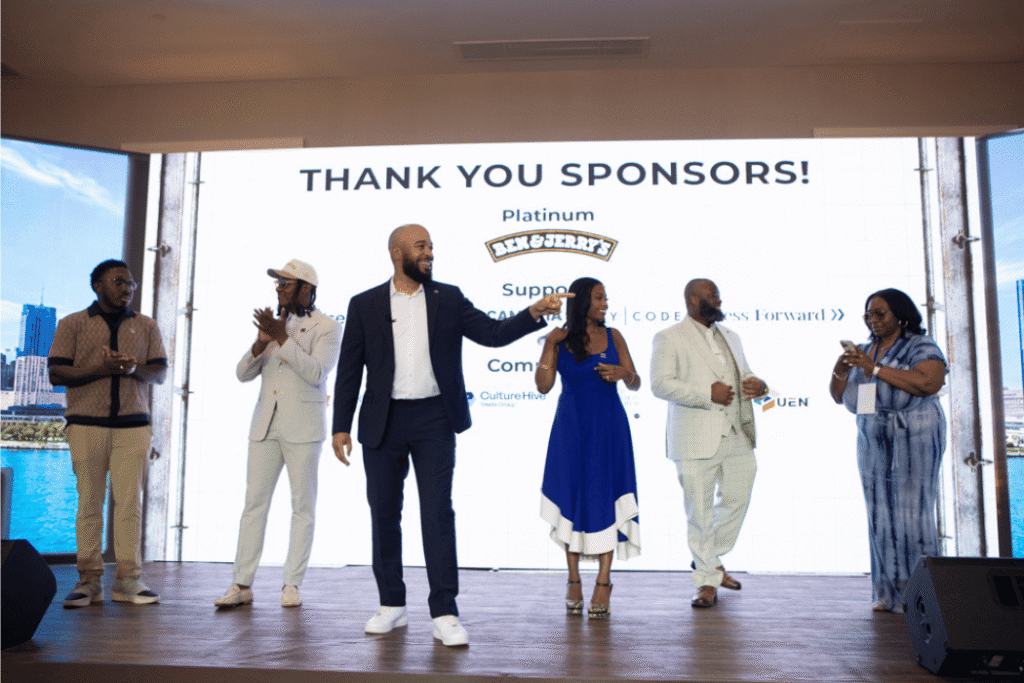
For the first several years, we focused on community and education, running pitch competitions, mentoring events, and connecting founders with brand leaders at Diageo. We paired corporate professionals with founders for speed mentoring, where the exchange went both directions. A head of legal counsel once joined thinking she had nothing to offer a CPG startup, and within minutes, she was identifying unprotected IP in a founder’s product formulation that the founder had never even considered. But the more we worked with these women, the clearer it became that mentorship and visibility were only getting them partway there.
I do feedback sessions after our pitch nights, and one conversation stays with me. I told a founder she needed to stop talking like a founder and start talking like a CEO. She asked what that meant. She was spending her entire pitch on the story of herself in her kitchen when she should have been showing investors how they were going to make money from her product. That reframe changed how she built her deck, how she presented her numbers, and how the room responded.
This is a pattern I see constantly. Women founders who have earned the right to make the ask and still can’t bring themselves to make it. The product-market fit is there, the traction is there, and what’s missing is the framework to position themselves as an investment vehicle rather than a passion project.
Women Funding Women
This is why the Foundation’s next chapter is focused on angel investing, building a network of women who have capital and want to deploy it into women-led brands they believe in. The deal flow infrastructure is in place, the founders are vetted, and the mentorship and buyer access systems are running. The missing piece was actual capital moving from women investors into women-led companies.
When women deploy capital into each other’s businesses, the dynamics go far beyond a single transaction. The investor becomes an advocate with real stake in the outcome, and the founder gains a stakeholder who understands the category and can open distribution channels that would otherwise take years to access. We’ve already seen this flywheel in our community. Founders we supported in the early years have since sold their businesses and called us, and the conversation was always the same. How can I give back? How can I put capital or time into the next founder coming through? That cycle, from mentee to mentor to investor, is what a durable ecosystem looks like when you build it from purpose first.
I’ve written before about how community-driven entrepreneurship compounds when you invest in the people around the business. Angel investing is the direct extension of that model, building capital pathways that keep ownership within the community that generated the growth.
What Comes Next
Large CPG companies are structurally slow to innovate, and their strongest path to real innovation increasingly runs through partnering with early-stage brands like the ones women founders are building. These founders identify white space faster, create products that meet emerging consumer demand, and operate with a capital efficiency that established companies cannot replicate. That agility deserves to be funded accordingly.
Visibility gave women entrepreneurs a platform. Community gave them a support system. Ownership will give them something neither of those could deliver alone. The equity, the capital, and the decision-making influence to reshape what gets built, who gets funded, and how growth happens from here.